Home › Blog › Destination & Travel Guides
Destination & Travel Guides
Why Sri Lanka Is Perfect for Mindful Travel: A Journey of Awareness and Peace
What mindful travel really means, why Sri Lanka’s nature, culture and traditions make it so easy, and how to plan a slower, more meaningful journey.
Modern life moves fast. Many of us travel the same way we live: rushing between sights, checking phones and coming home more tired than when we left. Mindful travel offers another way: slowing down, paying attention and letting a place change you.
Few countries invite this as naturally as Sri Lanka. Its quiet beaches, tea-covered hills, ancient temples and warm, unhurried culture make it easy to be present. In this guide you will learn what mindful travel is, why Sri Lanka is ideal for it, and how to plan a journey of awareness and peace, on its own or alongside a yoga teacher training in Sri Lanka.
Key takeaways
- Mindful travel means experiencing a place with presence, respect and curiosity, not ticking off sights.
- Sri Lanka’s nature, Buddhist heritage, Ayurveda and simple lifestyle all support it.
- Choose fewer places, stay longer and build daily practices into your trip.
- Plan at least 10 to 14 days; three to four weeks lets you go deeper.
What is mindful travel?
Mindful travel is the practice of experiencing a destination with full awareness. Instead of trying to see everything, you take time to truly notice, feel and understand where you are. It rests on five simple ideas:
Presence
Being fully where you are, rather than planning the next stop or scrolling your phone.
Local culture
Learning how people live, eat and celebrate, and meeting them with respect.
Nature
Spending unhurried time outdoors and letting it calm the mind.
Simple pleasures
A good meal, a sunrise, a conversation: small moments that become lasting memories.
Responsibility
Travelling in a way that respects communities and protects the environment.
Mindful travel vs ordinary tourism
Mindful travel does not mean doing less in a boring way. It means doing things with more attention, so each experience is richer. A single walk through a village market, done slowly and with curiosity, can teach you more about a country than a day of sightseeing from a tour bus.
Why Sri Lanka naturally supports mindful travel
Sri Lanka combines natural beauty, deep spiritual traditions, wellness practices, a rich culture and a simple way of life. Together, they make slowing down feel natural rather than forced. Here are twelve reasons why.
1. Its natural beauty encourages presence
In a small island you will find beaches, mountains, tea estates, rainforest, waterfalls and wildlife reserves. Each landscape asks you to stop and look.
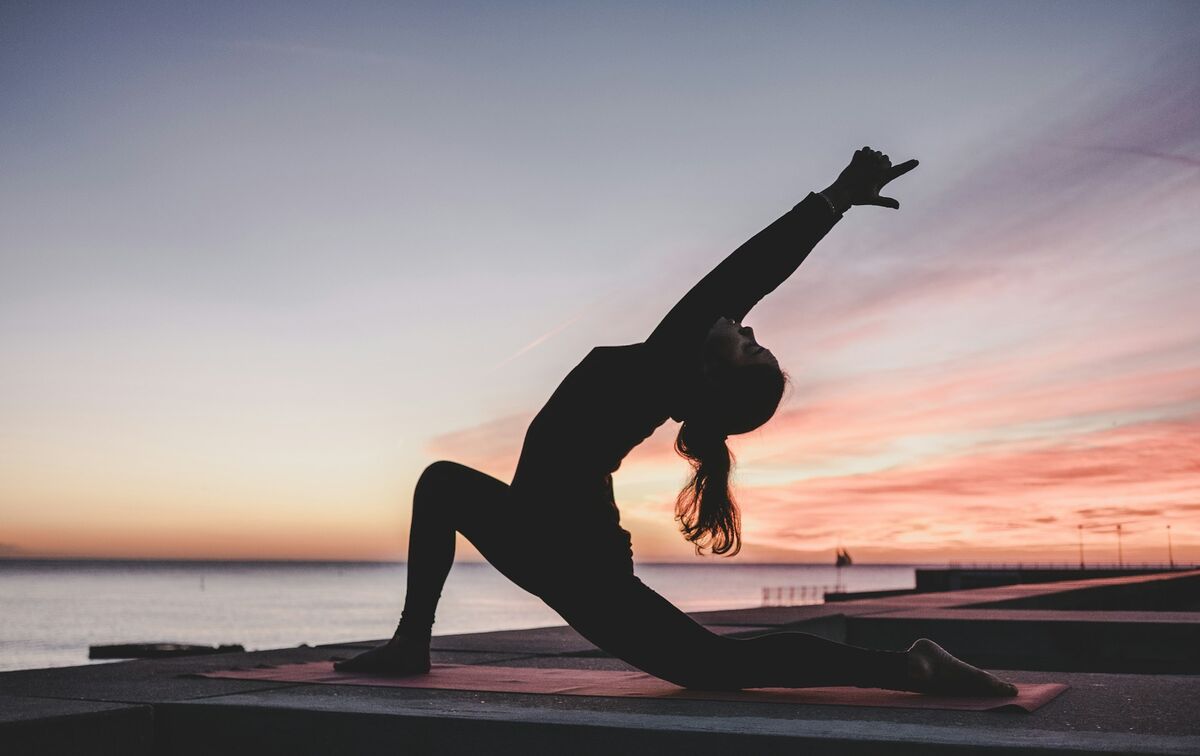
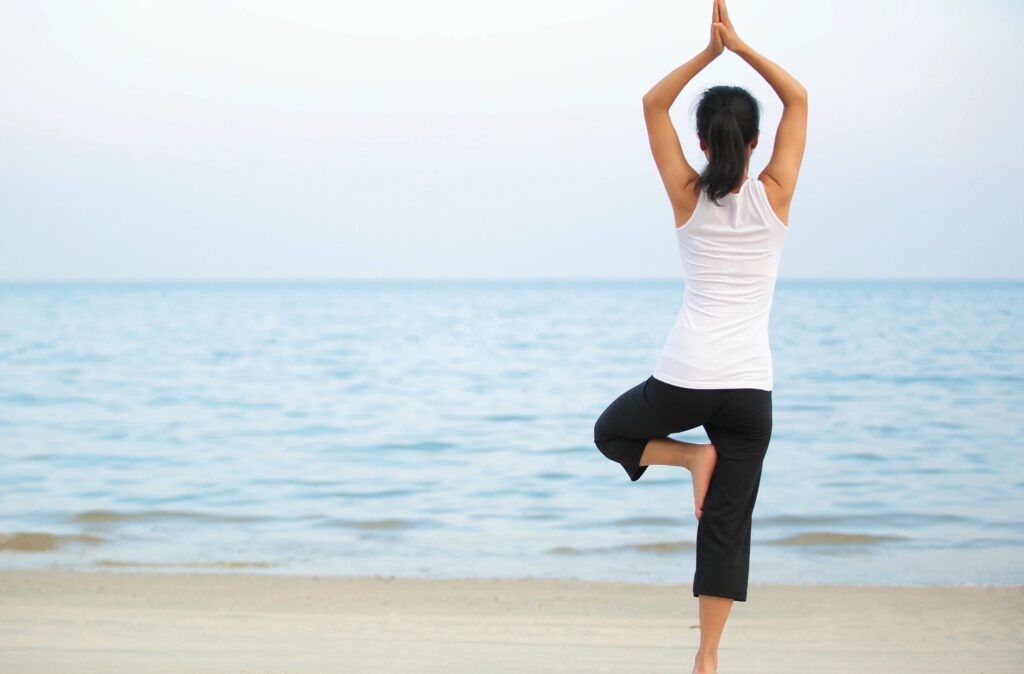
By the ocean: walk barefoot along the shore, watch the sunrise, practise yoga on the sand and simply listen to the waves.
In the mountains: in Ella and Nuwara Eliya, the fresh air, quiet trails and wide views create space for reflection.
2. Its yoga culture supports conscious living
Yoga and mindfulness share the same roots: awareness, balance and presence. Sri Lanka’s calm setting makes it easy to practise beach yoga, mountain yoga, outdoor meditation and breathwork in nature. For those who want to go deeper, an immersive 200 hour yoga teacher training turns mindfulness into a daily discipline through asana, pranayama, meditation and philosophy.
3. Ancient spiritual traditions create meaningful experiences
Buddhism has shaped Sri Lanka for over two thousand years, and meditation is part of everyday life. You can try silent meditation, mindfulness practice, guided sessions or simply sit quietly in a temple. Visiting sacred places such as Kandy, Anuradhapura and Dambulla connects you to that long history of inner practice.
4. It encourages slow travel
Sri Lanka’s roads are winding and travel between regions takes time. Rather than a drawback, this is an invitation: choose fewer places and stay longer. Slow travel brings deeper connections, a better understanding of local life, far less stress and memories that last.
5. Its culture promotes connection and hospitality
Sri Lankans are known for their warmth. You may be invited to share a home-cooked meal, see village life, join a celebration or simply talk over a cup of tea. These small human moments are at the heart of mindful travel.
6. Ayurveda supports holistic wellness
Ayurveda, the traditional system of natural healing, looks at balance through lifestyle, diet and natural therapies. Visitors can enjoy Ayurvedic massage, herbal treatments, wellness consultations and Ayurveda-inspired meals. Ayurveda and yoga share the same aim, balance, so combining them creates a complete approach to wellbeing.
7. Its food culture encourages mindful eating
Traditional Sri Lankan food is built on vegetables, tropical fruit, rice, coconut, herbs and spices, much of it grown locally. Fresh meals, herbal drinks and even a cooking class invite you to slow down, taste properly and appreciate where your food comes from.
8. Nature helps develop awareness
Nature is a patient teacher of mindfulness.
Forests
Silent walks teach observation and patience, a moving meditation.
Wildlife
Watching animals in their habitat brings respect for the balance of nature and a sense of gratitude.
Waterfalls and rivers
The sound and movement of water calm the senses and invite reflection.
9. It offers peaceful places away from crowds
Ahangama
A relaxed beach town with a friendly yoga community, perfect for balancing rest and exploration.
Tangalle
Quiet, wide beaches for meditation, reflection and slow days.
Ella
Hiking trails, tea plantations and mountain views for reconnecting with nature.
Kandy
A cultural and spiritual base with temples, traditions and history.
10. It encourages a digital detox
Mindful travel is the perfect chance to step away from constant notifications. Spend more time in nature, read, journal and meditate. Many travellers find that disconnecting brings mental rest, sharper focus, deeper self-awareness and better emotional balance.
11. Sustainable travel is part of the experience
A mindful traveller thinks about the effect of each choice: eating at local restaurants, booking local guides, staying in family-run guesthouses, avoiding plastic, keeping beaches clean and respecting wildlife and sacred spaces.
12. It creates space for personal transformation
Many visitors go home feeling changed: calmer, clearer and more grateful. Time for reflection, a simpler daily rhythm and real connection with people and nature often bring new perspectives and confidence. For yoga practitioners, the journey can become a lasting part of their practice.
Simple mindful practices for the road
You do not need to be on retreat to travel mindfully. These small practices fit into any day.
The first-five-minutes rule
When you arrive somewhere new, a beach, a temple or a market, put your phone away for the first five minutes. Just look, listen and breathe. Then take your photo if you want one.
Mindful walking
Walk a little slower than usual. Feel each step, notice the temperature of the air and the sounds around you. A short walk along a beach or through a tea estate becomes a meditation.
One-bite awareness
At each meal, take the first bite with your full attention. Notice the flavours, the spices and the texture. It turns every meal into a cultural experience.
Evening reflection
Before sleep, write down three things you noticed today and one thing you are grateful for. Over a trip, these notes become a beautiful record of your journey.
Mindful conversations
When you talk with a guesthouse owner, a tuk-tuk driver or a fellow traveller, listen fully. Ask about their life. Some of the most memorable moments in Sri Lanka come from simple, honest conversations.
Mindful experiences to try in Sri Lanka
Morning yoga by the ocean
Start the day with movement, breath and the sound of the waves.
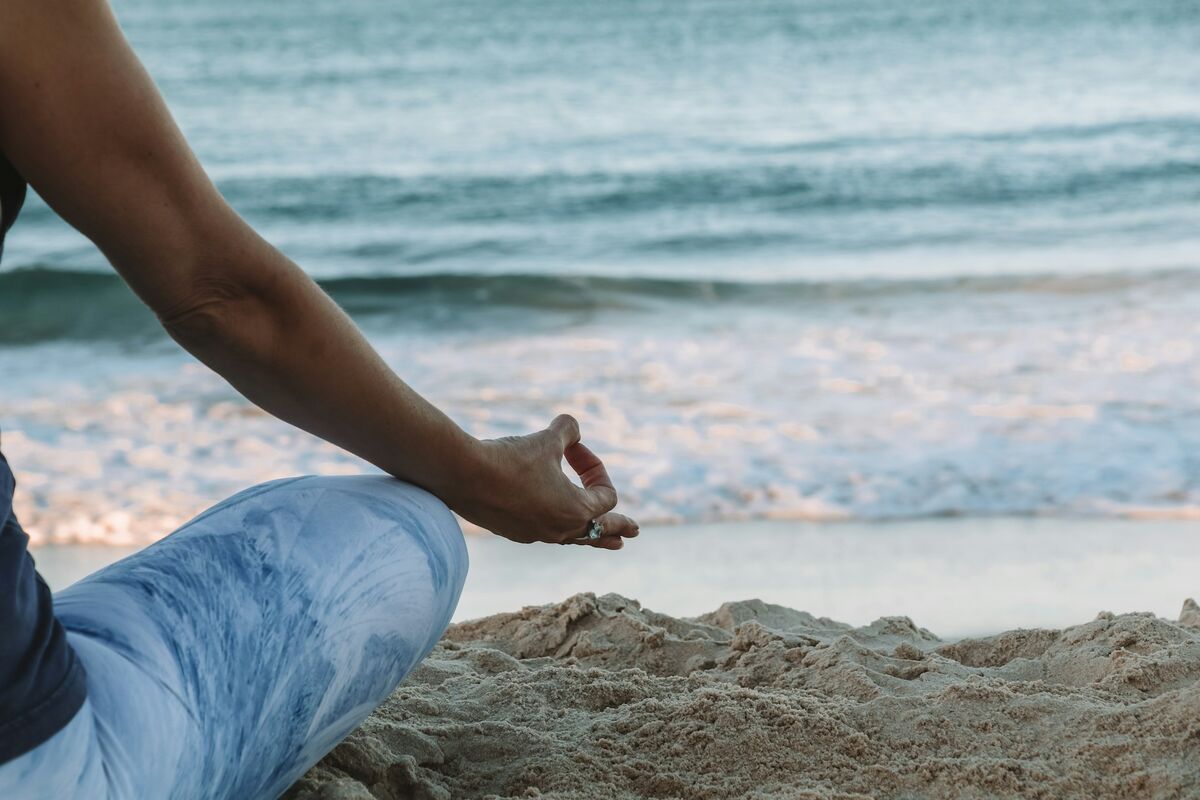
Meditation at sunrise
Sit quietly in nature while the light changes around you.
Village visits
Learn about traditional ways of living and community values.
Tea plantation walks
Slow, peaceful walking through green hills.
Ancient temples
History, spirituality and quiet moments of reflection.
Traditional food
Mindful eating as a way to understand the culture.
“Very beautiful locality, green and peaceful. Daily asana and meditation class are lovely along with deep life changing yoga philosophy.”
Giovanna, Ekant Yoga student
How to plan a mindful journey in Sri Lanka
The golden rule is quality over quantity. Give each place the time it deserves.
Step 1: Set your intention
What do you most want from this trip? Relaxation, spiritual growth, gentle adventure, a deeper yoga practice or time in nature? Your intention will guide every other choice.
Step 2: Choose peaceful destinations
See our best beaches for yoga and best places to relax and recharge in Sri Lanka for more detail.
Step 3: Create a balanced schedule
Mix exploring with rest, reflection and space for the unexpected. As a simple rule, plan one main activity a day and leave the rest open.
Step 4: Build in daily mindfulness practices
Morning meditation
A few minutes of quiet breathing before the day begins.
Yoga practice
Daily movement to stay connected with your body.
Journaling
Write down experiences, thoughts, feelings and lessons.
Gratitude
Notice small moments of beauty throughout the day.
Sample 14-day mindful itinerary
- Days 1–4: Ahangama or Tangalle for beach yoga, sunrise meditation and rest
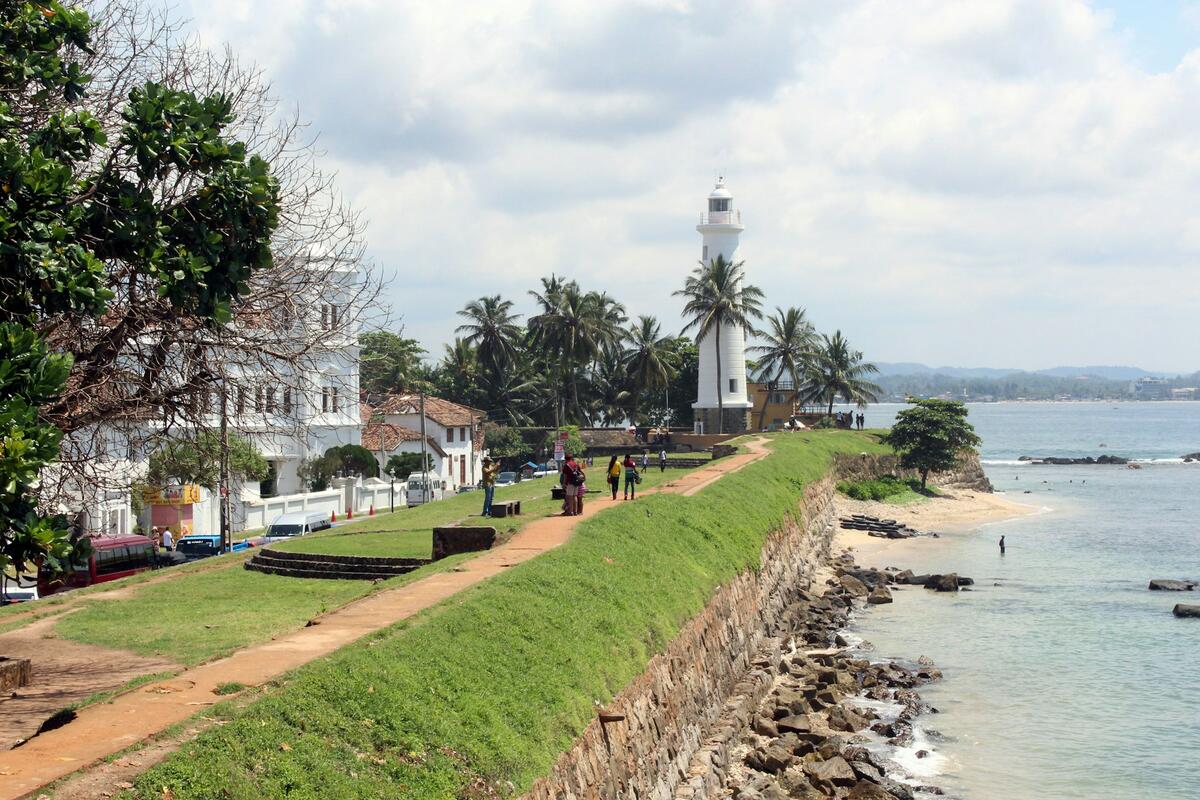
- Days 5–6: Galle Fort, explored slowly on foot
- Days 7–9: Ella for tea plantation walks and mountain sunrises
- Day 10: the scenic train to Kandy, phone away, eyes on the view
- Days 11–14: Kandy and Dambulla for temples, meditation and culture
Best time for mindful travel in Sri Lanka
- December to April: the south and west coasts (Ahangama, Galle, Mirissa, Weligama) are sunny and calm, ideal for beaches and yoga retreats.
- May to September: the east coast (Arugam Bay, Trincomalee, Pasikuda) is at its best for beaches, surfing and nature.
- October to November: a quieter in-between period with fewer crowds, perfect for slow exploration.
For details, read the best time to visit Sri Lanka for yoga.
Sri Lanka is more than a destination
Whether you practise yoga on the beach, sit in an ancient temple, walk through tea country or share a meal with a local family, Sri Lanka invites you to slow down and live with more awareness. Travel gently, stay curious and let the island teach you its quiet lessons.
If you would like yoga and meditation to be at the heart of your journey, explore our Yoga Alliance certified 100 hour, 200 hour and 300 hour courses in Sri Lanka, or read our complete guide to yoga retreats in Sri Lanka. Questions? Contact us.
Frequently asked questions
Why is Sri Lanka good for mindful travel?
Its natural beauty, Buddhist meditation tradition, Ayurveda and calm, simple way of life all make it easy to slow down and be present.
Is Sri Lanka suitable for yoga and meditation travel?
Yes. Peaceful beaches, a living meditation culture, beautiful nature and welcoming yoga communities make it ideal.
What are the best mindful activities in Sri Lanka?
Yoga, meditation, Ayurveda, nature walks, temple visits, beach relaxation and mindful eating.
Can I combine yoga teacher training with mindful travel?
Yes. Many students explore the beaches, culture and nature before or after their training.
How long should I spend on a mindful journey?
At least 10 to 14 days. Three to four weeks gives time for deeper rest and exploration.
Is Sri Lanka good for solo mindful travellers?
Yes. Many solo travellers find it welcoming. Take normal precautions and check your government’s travel advice.
How do I practise a digital detox while travelling?
Set phone-free times, leave your phone in your room for walks and meals, and replace scrolling with reading, journaling or meditation.