Home › Blog › Destination & Travel Guides
Destination & Travel Guides
Sri Lanka Travel Guide for Yoga Students: Best Places, Tips & Experiences
Where to go, when to travel, what to pack and how to explore mindfully before or after your yoga teacher training or retreat in Sri Lanka.
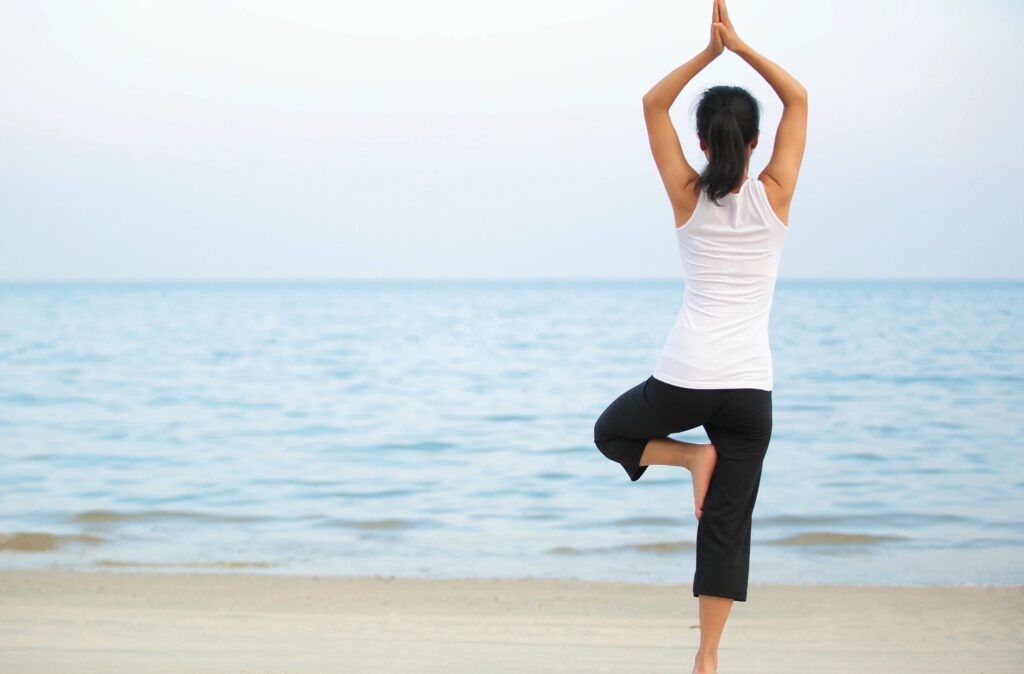
Sri Lanka packs golden beaches, misty tea hills, ancient temples and a deep meditation tradition into one small island. For yoga students it is a place to practise, rest and explore at a slower pace. This guide helps you plan the trip around your yoga teacher training in Sri Lanka or a yoga retreat.
Key takeaways
- The south and west coasts are best from December to April; the east coast from May to September.
- Arrive a day or two before your course to rest and adjust.
- Save long trips for before or after training, not during it.
- Cover shoulders and knees, and remove shoes and hats, at temples.
- Travel between regions takes longer than the map suggests, so plan a slow itinerary.
Why Sri Lanka is great for yoga students
Within a few hours you can move from the coast to cool hill country or ancient cultural sites. Buddhist temples, meditation traditions and Ayurveda are part of everyday life here, so yoga continues beyond the mat: in mindful walks, simple food and quiet mornings by the sea.
Quick travel facts
Entry and visa
Most visitors need an Electronic Travel Authorisation (ETA) or visa. Rules change, so check the official Sri Lanka immigration website before you book flights.
Money
The currency is the Sri Lankan rupee (LKR). Cards work in many places, but carry cash for tuk-tuks, small shops and markets.
Getting around
Tuk-tuks for short trips, trains for scenic routes such as Kandy to Ella, and private drivers for longer journeys.
Health and insurance
Take travel insurance, check recommended vaccinations with your doctor, and drink bottled or filtered water.
When is the best time to go?
Sri Lanka has two monsoon seasons that hit different coasts at different times, so there is good weather somewhere all year.
For a month-by-month guide, read Best Time to Visit Sri Lanka for Yoga Teacher Training.
Best places in Sri Lanka for yoga students
South coast: beaches and slow mornings
Weligama
A wide, gentle bay with a friendly surf scene and good cafés. A handy base for the south coast.
Mirissa
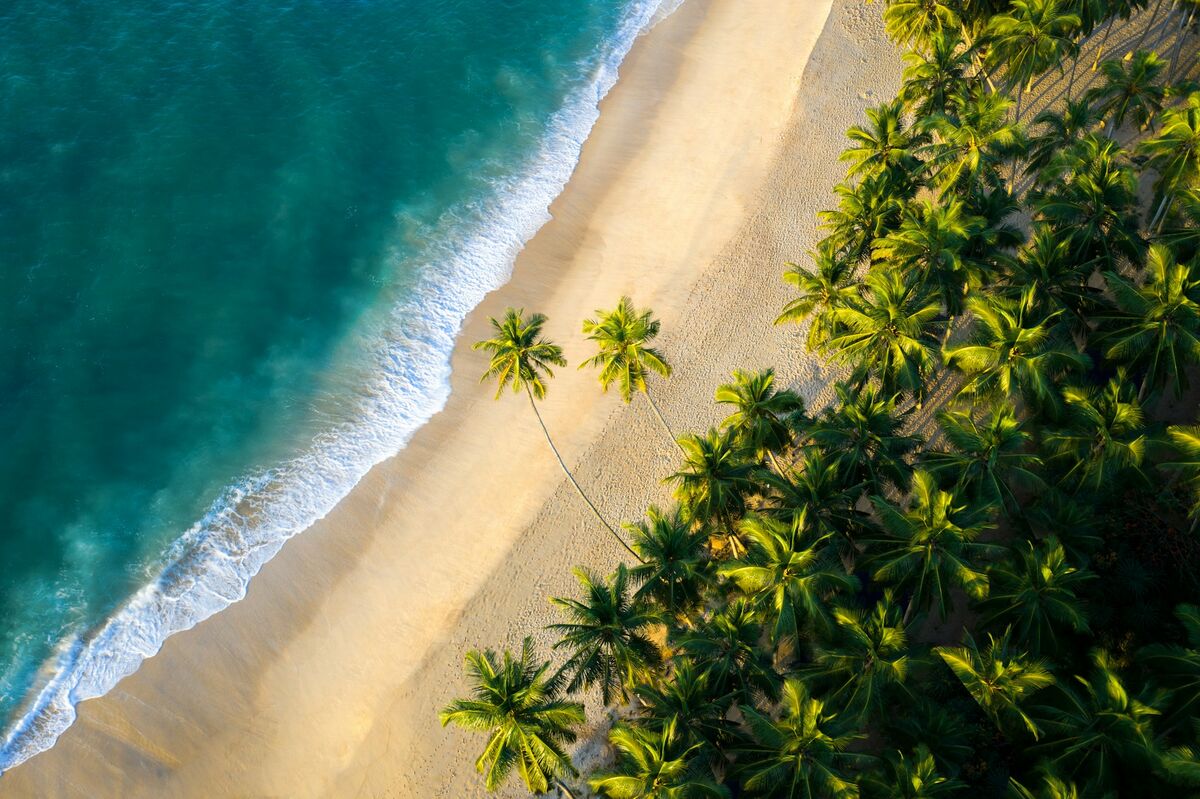
Palm-lined beach for quiet mornings, breathwork by the sea and sunset walks.
Ahangama
Yoga, surfing, healthy food and wellness, ideal for longer stays.
Unawatuna
Calm water for swimming and easy access to Galle Fort and nearby beaches.
See our full list of the best beaches in Sri Lanka for yoga and wellness.
Hill country: tea, mountains and cool air
Ella
Tea plantations, waterfalls and hikes, plus the famous Nine Arches Bridge. The cooler air suits walking meditation.
Kandy
A green, hilly city and home of the Temple of the Sacred Tooth Relic. Dress and behave respectfully inside.
Cultural triangle: ancient sites and stillness
Sigiriya
An ancient rock fortress with a steep climb and wide views. Go early, before the heat.
Dambulla
Cave temples filled with centuries-old Buddhist paintings and statues.
Anuradhapura
A sacred ancient city of stupas and ruins, perfect for history lovers and quiet reflection.
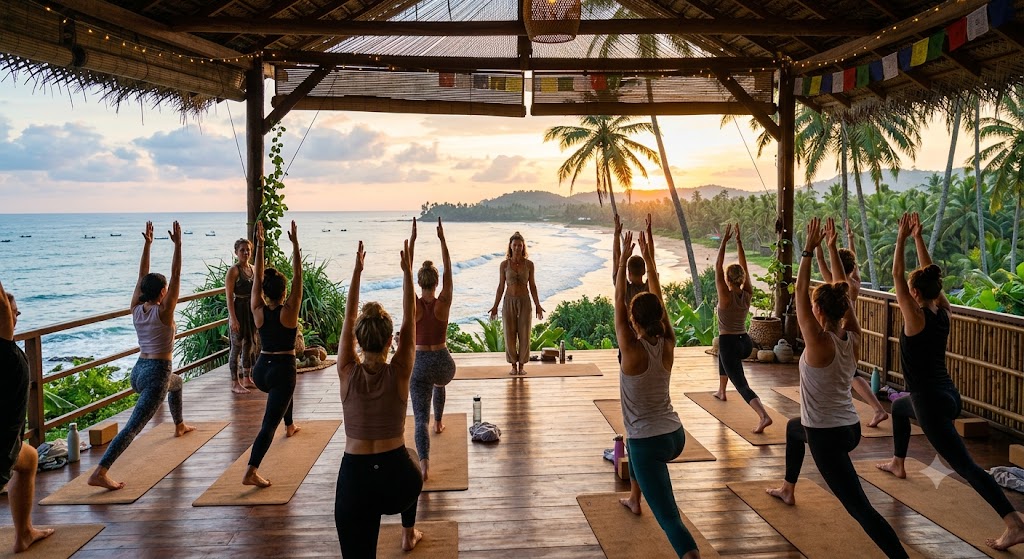
Practising yoga on the beach
Sunrise is the best time: it is cooler, quieter and the light is soft. Keep it simple with stretching, pranayama, meditation and familiar poses.
Nature and wildlife
Forests, wetlands, waterfalls and national parks are home to elephants, monkeys, birds and reptiles. Try a slow, phone-free walk where you focus on your breath and senses. On safaris, follow your guide, keep your distance and never feed or disturb animals.
Food and Ayurveda
Sri Lankan food
Meals are built on rice, vegetables, lentils, coconut, herbs and spices, and many dishes are naturally vegetarian. During training, follow your school’s meal plan, notice how your body handles new spices, and drink plenty of water in the humid heat.
Ayurveda and wellness
Sri Lanka has a long Ayurveda tradition, with massages, herbal treatments and lifestyle consultations. Choose a reputable centre and mention any health conditions first. The best time is after your course, when your body can fully rest.
Culture and temple etiquette
Try local food, visit markets and talk to people with respect and curiosity. At temples and sacred sites:
- Cover your shoulders and knees
- Remove shoes and hats before entering
- Keep your voice low
- Never pose with your back to a Buddha statue for photos
- Ask before taking photos; some areas do not allow them
What to pack and wear
- Yoga clothes that let you move freely
- Light, breathable everyday clothes
- A light layer for the cooler hill country
- Clothing that covers shoulders and knees for temples
- Walking shoes and sandals
- Sun hat, sunglasses and reef-safe sunscreen
- Reusable water bottle and a small day bag
- Travel documents, insurance details and medication
- A journal for your training and travels
Check with your school which items, such as mats and props, are provided.
Travelling during your training
Teacher training days are full of practice, anatomy, philosophy and teaching preparation. Use free time for rest, short walks, reading and gentle stretching, and save long trips for before or after the course. To know what the days look like, read What to Expect During a 200 Hour Yoga Teacher Training Course.
“Best and authentic yoga residential space with very knowledgeable teachers, good food, garden and clean accommodation.”
Giovanna, Ekant Yoga student
After your training
Give yourself a few days to let the experience settle before going home. Relax on the coast, explore the hills or visit the cultural sites, keep a short daily practice, and journal about what you learned. For ideas, read Things to Do After Yoga Teacher Training in Sri Lanka.
A simple mindful travel routine
Morning
5 to 10 minutes of breathing, gentle movement and a short meditation.
Daytime
Mindful walks, simple meals, time in nature and less screen time.
Evening
Gentle stretching, journaling and an early night.
How long should you stay?
Add at least a few days before your course to arrive and adjust, and a week or more afterwards if you want to see the coast, hills and cultural sites. Roads are slow, so choose two or three regions rather than trying to see everything.
Responsible travel in Sri Lanka
- Carry a reusable bottle and avoid single-use plastic
- Never litter, especially on beaches
- Respect wildlife and sacred sites
- Buy locally made souvenirs from small businesses
- Use water and electricity carefully
Plan your yoga journey with Ekant Yoga
Ekant Yoga runs Yoga Alliance certified 100 hour, 200 hour and 300 hour courses in Sri Lanka, covering asana, pranayama, meditation, anatomy, philosophy and teaching methodology, in small batches. Prefer a shorter break? Read our complete guide to yoga retreats in Sri Lanka. Still choosing between countries? Compare Sri Lanka vs India for yoga training.
Questions about dates, accommodation or what is included? Contact us or message us on WhatsApp.
Frequently asked questions
Is Sri Lanka good for yoga teacher training?
Yes. It combines peaceful nature, a strong meditation and Ayurveda tradition, and easy access to beaches, hills and cultural sites.
When is the best time to visit Sri Lanka for yoga?
December to April for the south and west coasts, and May to September for the east coast.
Do I need a visa for Sri Lanka?
Most visitors need an ETA or visa. Check the official Sri Lanka immigration website for current rules for your nationality.
What should I wear in Sri Lanka?
Light, breathable clothes, plus something that covers shoulders and knees for temples and religious sites.
Is Sri Lanka safe for solo travellers?
Many solo travellers visit Sri Lanka. Take normal precautions, check your government’s travel advice and keep your valuables secure.
Can I travel during my yoga teacher training?
The schedule is full, so keep free time for rest and short walks. Plan longer trips before or after the course.
How many days should I add to my trip?
One or two days before the course, and a week or more afterwards if you want to explore several regions.
Is the food suitable for vegetarians?
Yes. Many Sri Lankan dishes are based on vegetables, lentils, rice and coconut.