Home › Blog › Destination & Travel Guides
Destination & Travel Guides
Best Time to Visit Sri Lanka for Yoga Teacher Training
A clear, month-by-month guide to Sri Lanka’s seasons and monsoons, the best months for each coast, festivals, budget tips and what to pack for your course.
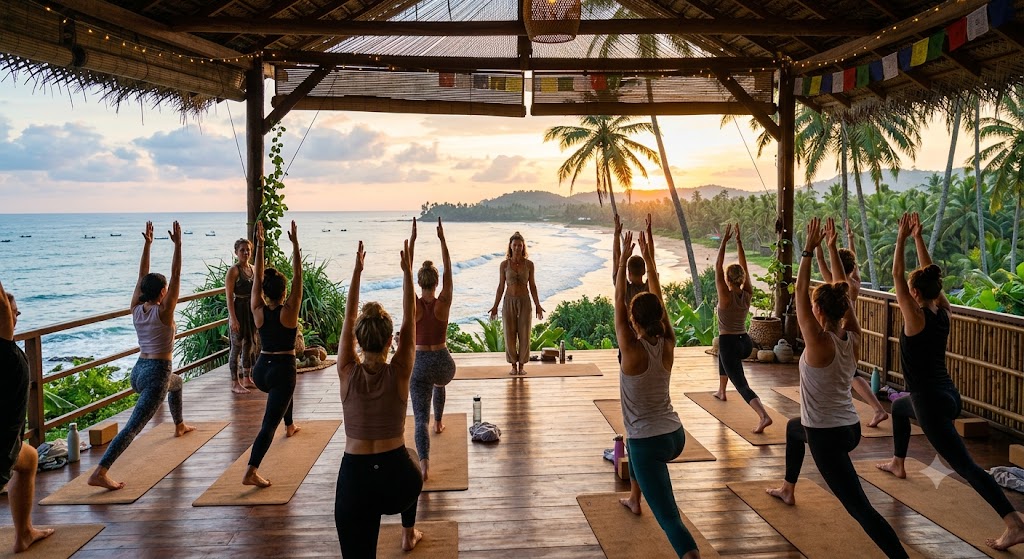
Sri Lanka is a wonderful place to train as a yoga teacher, but when you go makes a real difference. The weather affects your morning practice, your energy, your travel plans and even how peaceful your course feels.
The good news is that Sri Lanka has no single “season”. Two monsoons reach different coasts at different times, so there is good weather somewhere on the island all year. This guide explains the climate simply, takes you month by month, and helps you choose the best time for your yoga teacher training in Sri Lanka.
Key takeaways
- December to April is the best time for the south and west coasts, where most yoga schools are.
- May to September is the best time for the east coast.
- October and November bring rain across much of the island, but also fewer crowds.
- Shoulder months offer lower prices and a quieter atmosphere.
- A 200 hour course takes about 3–4 weeks; add a few days before and after.
Why the right time matters for your training
Teacher training means long days of asana, meditation, pranayama, philosophy, anatomy and teaching practice. Good weather helps in four ways:
Comfortable practice
Pleasant temperatures make early morning sessions easier and more enjoyable.
Easier travel
Dry weather makes it simpler to explore before or after your course.
Peaceful learning
Calm days by the sea help you concentrate and reflect.
More outdoor time
Beaches, hikes, surfing, temples and Ayurveda are easier to enjoy.
Sri Lanka’s climate, explained simply
Sri Lanka is tropical and warm all year, usually between about 26 and 32°C on the coast, and cooler in the hill country. Rain comes from two monsoons:
- Southwest monsoon (about May to September): brings rain to the south and west coasts and the hill country. The east coast is dry.
- Northeast monsoon (about December to February): brings rain to the north and east. The south and west coasts are dry and sunny.
- Inter-monsoon periods (around March–April and October–November): afternoon showers and thunderstorms can happen anywhere, especially in October and November.
Monsoon rain usually comes in heavy showers rather than all-day downpours, often in the afternoon or evening, with sunshine in between.
The best time to visit, season by season
December to April: the best season for the south coast
This is the most popular time for yoga teacher training. The south and west coasts are dry and sunny, the sea is calm and outdoor practice is a joy.
- January and February: the best weather of the year. Dry, sunny and slightly less humid. Peak season for wellness travel, so book early.
- March and April: hotter and more humid, but still excellent for yoga. Slightly quieter than peak. In mid-April, Sri Lanka celebrates Sinhala and Tamil New Year (Aluth Avurudu), a lovely time to experience local culture.
May to September: the southwest monsoon
The south and west get short, heavy showers and higher humidity, but there are also many sunny hours. The landscape turns lush and green, beaches are quieter and prices are often lower. The east coast is at its best. May brings Vesak, a beautiful Buddhist festival of lights, and in July or August Kandy hosts the famous Esala Perahera procession.
October and November: the inter-monsoon
Rain is more widespread and less predictable, and it is often the wettest time of year for much of the island. In return, the countryside is at its greenest and crowds are small, which suits students looking for a quiet, reflective course.
Month-by-month guide
Weather varies from year to year, so treat this as a guide, not a guarantee.
The best time for you
For beginners
December to April. Comfortable weather, easy outdoor practice and smooth travel let you focus fully on learning.
For international students escaping winter
December to April is ideal if you are coming from Europe or North America: warm sunshine while it is cold at home, plus plenty of flight connections.
For students on a budget
The shoulder months, May to June and September to November, often bring lower accommodation costs, cheaper flights, fewer tourists and a calm atmosphere.
For beach yoga and outdoor practice
The dry season, December to April, is best for sunrise beach yoga, sunset walks and evening relaxation by the sea.
For quiet and reflection
May to November. Fewer people, green landscapes and the soothing sound of rain can deepen meditation and reflection.
Choose your location by season
See our guides to the best places for yoga teacher training in Sri Lanka and the best beaches for yoga.
Festivals and holidays to know about
Sri Lanka’s festivals can make your stay even more memorable, but they also affect travel and accommodation. Plan ahead if your course overlaps with them.
Tips for training in the rainy season
- Embrace the rain: the sound of rain on the shala roof is wonderful for meditation and yin practice.
- Plan outings for the morning: showers often come in the afternoon or evening.
- Pack quick-dry clothes and keep notes in a waterproof bag.
- Check the sea: the ocean can be rough on monsoon coasts, so only swim where it is safe.
- Use mosquito repellent, especially at dawn and dusk.
When to book: a planning timeline
4–6 months before
Choose your course and dates, and enquire about availability, especially for December to April.
3 months before
Book flights, arrange travel insurance and start a regular home practice.
1 month before
Apply for your ETA or visa, check vaccinations and plan any travel before or after the course.
1 week before
Pack, confirm your airport transfer and adjust your sleep to early mornings.
What to pack for your training
Essentials all year
- Comfortable, breathable yoga clothes
- A travel mat (optional; ask what the school provides)
- A light shawl for meditation and cooler mornings
- Reusable water bottle
- Notebook and pens
- Sandals and light everyday clothing
Dry season (December to April)
- Light cotton clothes
- Sunscreen, sunglasses and a sun hat
- Swimwear and beachwear
Monsoon months (May to November)
- A light rain jacket or umbrella
- Quick-dry clothing
- Insect repellent
- A waterproof bag for your phone and notes
- Walking shoes with good grip
Why Sri Lanka is perfect for yoga teacher training
1. Natural beauty and peaceful surroundings
Beaches, forests, mountains, waterfalls, wildlife and temples create a calm, inspiring place to learn.
2. Ancient spiritual traditions
Buddhism, meditation, Ayurveda and mindful living are part of daily life on the island.
3. Space for personal transformation
Far from daily distractions, it is easier to build discipline, deepen awareness and grow, as a student and as a person.
“Best and authentic yoga residential space with very knowledgeable teachers, good food, garden and clean accommodation.”
Giovanna, Ekant Yoga student
Why choose Ekant Yoga in Sri Lanka?
Our Sri Lanka courses blend traditional practice, meditation, philosophy, anatomy and teaching methodology with real personal support, for beginners and experienced practitioners alike. Choose from 100 hour, 200 hour or 300 hour training. Prefer India’s winter sunshine? Our 200 hour course in Goa is at its best from November to March.
Final thoughts
For most students, December to April on the south coast is the ideal time to train: sunny, calm and perfect for outdoor practice. If you prefer quiet days, lower prices and green landscapes, the shoulder seasons are a lovely alternative. Whichever you choose, Sri Lanka will give you a beautiful place to learn and grow.
For travel tips, read our Sri Lanka travel guide for yoga students, or contact us to ask about upcoming dates.
Frequently asked questions
What is the best month for yoga teacher training in Sri Lanka?
January and February have the best weather on the south coast. The whole December to April season is excellent.
Can I do yoga teacher training in Sri Lanka all year?
Yes. Different coasts have different seasons, so choose your location and dates together.
Is the monsoon a bad time to train?
Not at all. Rain usually comes in short showers, and the quieter, greener months suit meditation and reflection.
How many days should I spend in Sri Lanka?
A 200 hour course takes about three to four weeks. Add a few days before to arrive rested, and more after if you want to explore.
When is the best season for outdoor and beach yoga?
The dry season on the south coast, from December to April.
When is it cheapest to go?
The shoulder months, May to June and September to November, often have lower prices and fewer tourists.
Can beginners join at any time of year?
Yes. Our courses welcome beginners in every season.