Home › Blog › Destination & Travel Guides
Destination & Travel Guides
Exploring Sri Lanka Through Yoga and Meditation: A Journey Within
How to explore Sri Lanka with yoga and meditation at the heart of your trip: where to practise, which temples to visit, sample routes and practical tips.
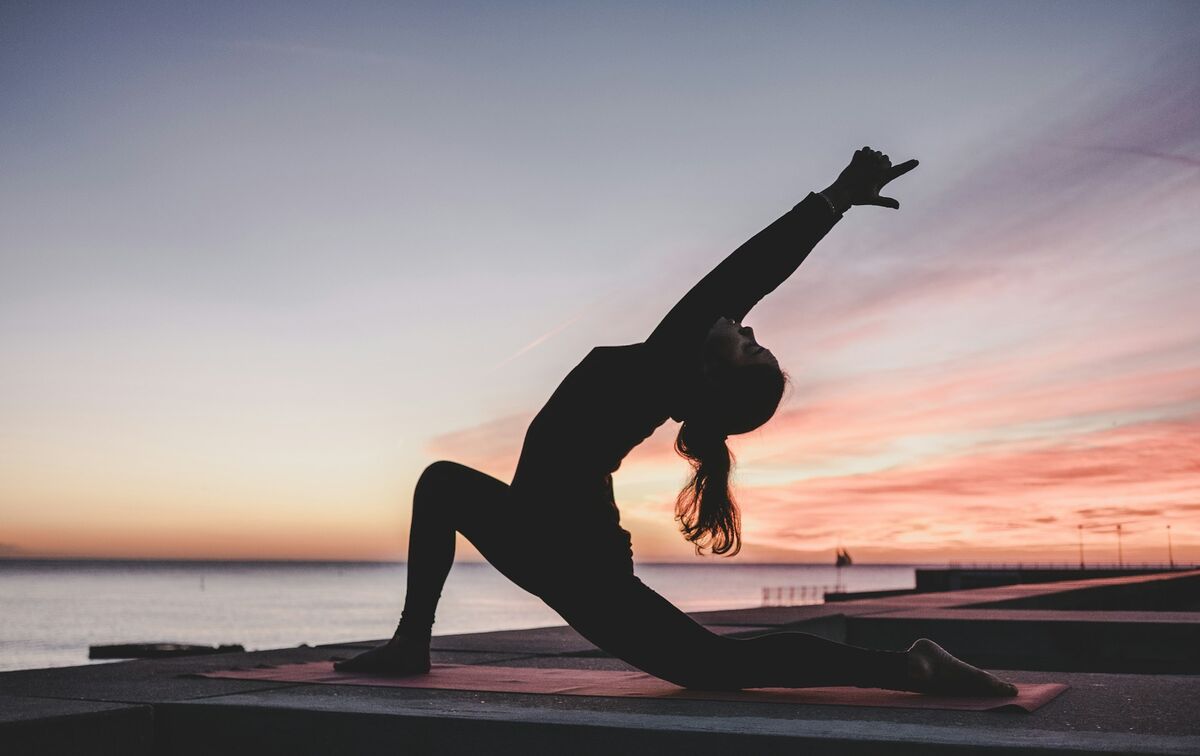
Most journeys take you outward, to new places, food and people. A journey built around yoga and meditation also takes you inward. You come home having seen a country and having understood yourself a little better.
Sri Lanka is one of the best places in the world for this kind of trip. Its beaches, temples, tea hills and centuries-old meditation tradition create the perfect setting for practice. This guide explains how yoga and meditation work together, where to practise on the island, sample routes and tips to make your journey within as rewarding as the one outside.
Key takeaways
- Yoga prepares the body and breath; meditation trains the mind. Together they change how you travel.
- Practise on the south-coast beaches, in the hill country and at ancient temples.
- Kandy, Ella, Tangalle, Ahangama and the ancient cities are the best places for meditation.
- Two to three weeks lets you combine coast, hills and culture without rushing.
Why combine yoga, meditation and travel in Sri Lanka?
Yoga and meditation build present-moment awareness. Travel takes you out of your usual routine. When you put them together, you notice more, react less and remember the trip far more vividly.
Sri Lanka adds the ideal ingredients: natural beauty, peaceful surroundings, a deep spiritual heritage, traditional wellness and a warm, welcoming culture.
Understanding the connection between yoga and meditation
In the West, yoga is often seen as exercise. Traditionally, it is a complete path that includes:
- Asana: physical postures that prepare the body to sit still
- Pranayama: breath control that calms the nervous system
- Dhyana: meditation, the training of the mind
- Ethical living and self-discipline: the foundations of a balanced life
- Self-awareness: the ability to observe your own thoughts and habits
Postures and breathing make meditation easier; meditation gives postures their deeper purpose. For a full introduction to classical yoga, read What Is Hatha Yoga?
How Sri Lanka supports a yogic lifestyle
Simplicity
A slower pace of life built around simple pleasures: good food, family and community.
Nature
Beaches, forests and mountains are never far away.
Inner reflection
Quiet places make it easier to observe your thoughts and emotions.
Mindful living
Traditions rooted in awareness, compassion and balance.
A simple daily practice for your journey
Whatever your route, a short, steady routine keeps your practice alive. Here is a simple structure that fits into any travel day.
Sunrise · 30–45 minutes
Move and breathe
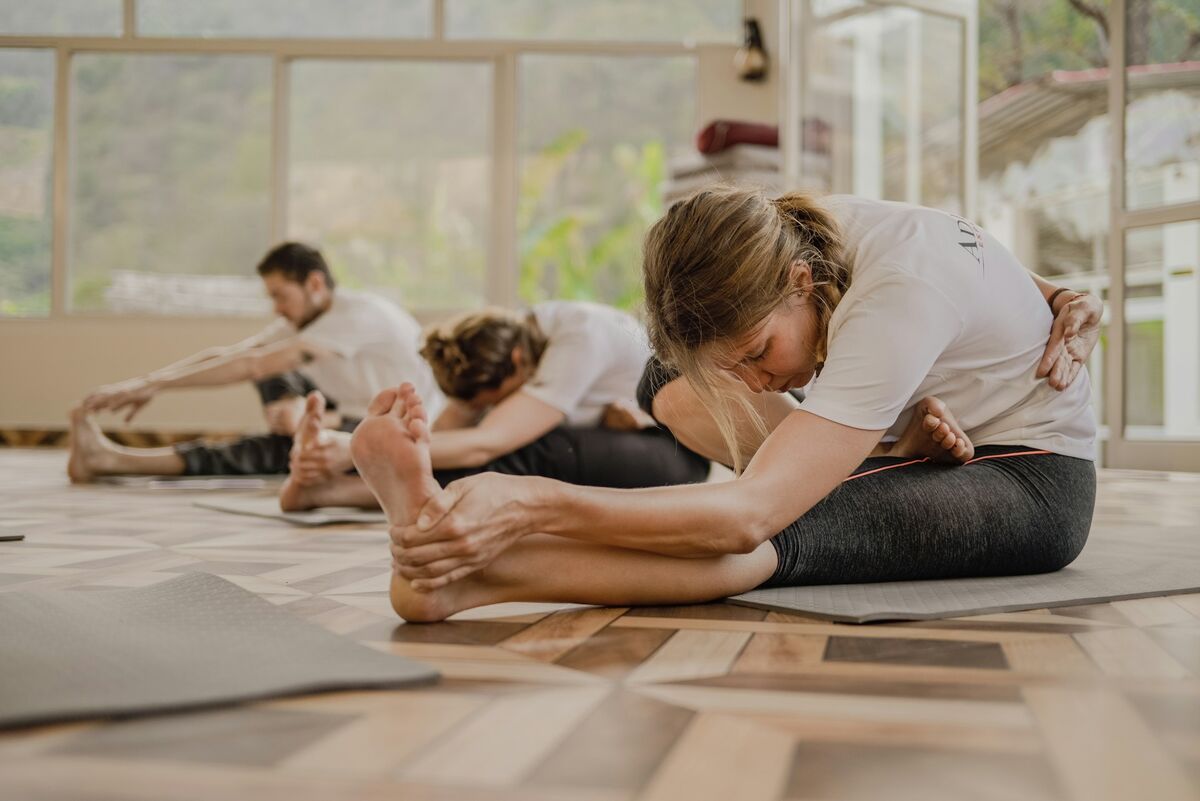
Gentle warm-up, a few rounds of sun salutations, standing poses and a short pranayama practice such as alternate nostril breathing.
After practice · 10–20 minutes
Sit
Seated meditation, focusing on the breath or on the sounds around you.
During the day
Stay aware
Walk mindfully, eat slowly and take a few conscious breaths whenever you feel rushed.
Evening · 15 minutes
Unwind
Gentle stretches, legs up the wall and a short body scan before sleep.
On busy travel days, even five minutes of breathing counts. Consistency matters far more than length.
1. Begin your journey with beach yoga
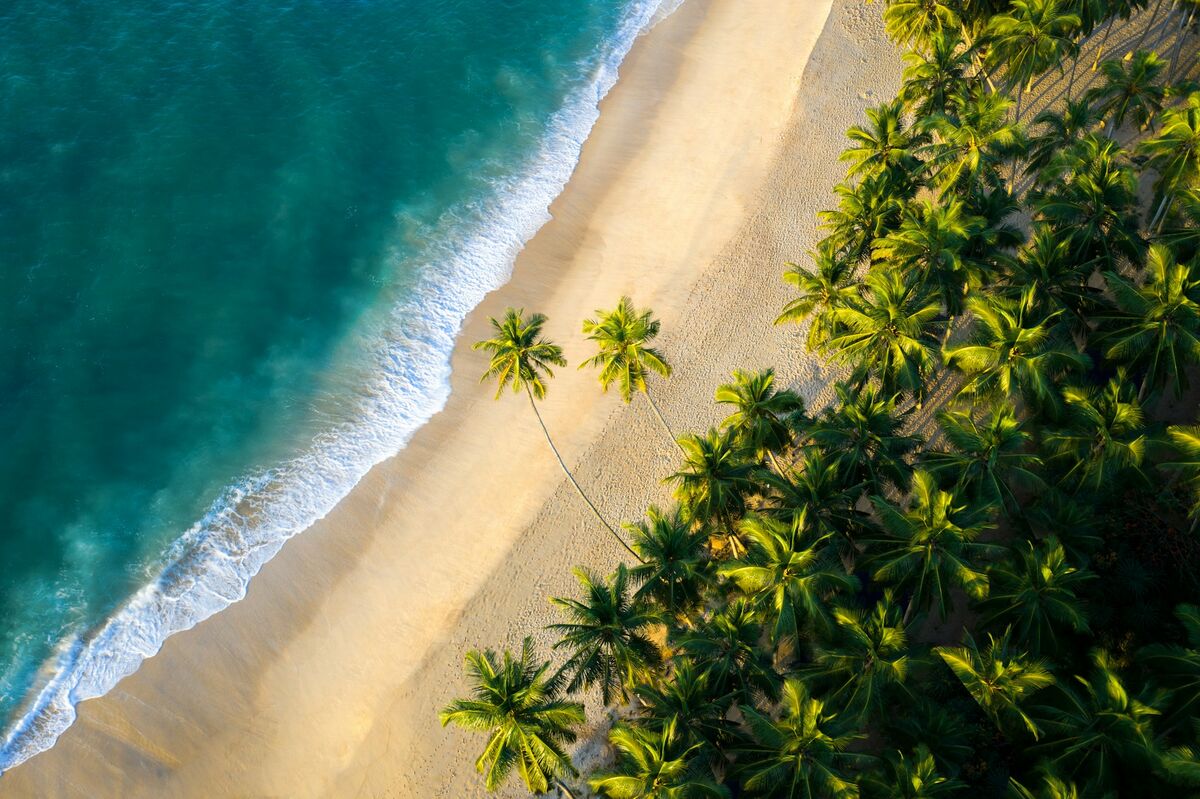
Practising yoga by the ocean calms the nervous system, sharpens focus and deepens your awareness of the breath. The sound of the waves gives you a natural rhythm to follow.
Ahangama
A yoga-friendly town with peaceful beaches, wellness cafés and a relaxed lifestyle.
Weligama
A gentle bay for beginners and experienced practitioners, with yoga, surfing and ocean walks.
Mirissa
Ideal for sunrise yoga, sunset meditation and beach relaxation.
Tangalle
Quiet beaches and natural beauty for those seeking solitude.
Read more in the benefits of practising yoga near the ocean in Sri Lanka.
2. Experience meditation in a spiritual environment
Buddhist practice has shaped Sri Lanka for more than two thousand years. Here, meditation is not a trend but part of daily life.
Mindfulness meditation
Observing thoughts and emotions with gentle, present-moment attention.
Breath meditation
Resting your attention on the breath to build calm and concentration.
Silent meditation
Longer periods of stillness for clarity and inner awareness.
How to start meditating if you are new
- Sit comfortably on a cushion or chair with a straight, relaxed back.
- Close your eyes or soften your gaze towards the ground.
- Notice the natural breath at your nostrils or belly.
- When the mind wanders, gently bring it back, without judging yourself.
- Start with five minutes a day and slowly build to twenty.
3. Visit ancient temples for inspiration
Temples offer quiet places to see centuries of mindfulness practice in action.
Temple of the Sacred Tooth Relic, Kandy
Watch the daily rituals, listen to the drums and feel the devotion that fills the temple.
Dambulla Cave Temple
Painted caves and ancient statues in a calm, cool space perfect for reflection.
Anuradhapura sacred city
Ancient stupas, monastery ruins and the sacred Sri Maha Bodhi tree in peaceful surroundings.
4. Join a yoga teacher training journey
For a truly immersive experience, join a yoga teacher training. It goes far beyond physical practice, covering asana, philosophy, meditation, pranayama, anatomy and teaching methodology.
Sri Lanka is ideal for training: the setting is calm, nature is all around you and the spiritual atmosphere supports deep learning. Ekant Yoga offers Yoga Alliance certified 100 hour, 200 hour and 300 hour courses in Sri Lanka. Read what to expect during a 200 hour course.
5. Experience Ayurveda alongside yoga
Yoga works with body, breath and mind; Ayurveda, Sri Lanka’s traditional system of natural healing, adds nutrition, lifestyle and natural therapies. Together they offer a complete approach to wellbeing.
- Ayurvedic massage: warm herbal oils and therapeutic techniques for deep relaxation
- Herbal therapies: traditional remedies made from local medicinal plants
- Ayurvedic nutrition: fresh ingredients, natural spices and traditional cooking
Choose a reputable centre and mention any health conditions before treatment.
6. Explore the mountains through yoga and meditation
The cooler climate and quiet landscapes of the hill country are perfect for stillness and focus.
Ella
Hike at sunrise, sit by waterfalls and walk through tea plantations. A morning meditation overlooking the mountains is an experience many students never forget.
Nuwara Eliya
Cool, misty mornings, neat tea gardens and peaceful walks make it ideal for relaxation and gentle practice.
7. Practise meditation in nature
Forest meditation
Sit or walk slowly, and notice sounds, movement and your breath.
Ocean meditation
Let the rhythm of the waves steady your mind and emotions.
Mountain meditation
Quiet, fresh air and wide views support deep reflection.
8. Discover Sri Lanka through mindful cultural experiences
Visit local villages to see traditional lifestyles, food preparation and community values. Join traditional practices such as temple visits, ceremonies and local celebrations. Learn from local wisdom: simplicity, respect for nature and close community are lessons in themselves.
“Best yoga and meditation retreat. Good pure sathvik food, clean rooms and all classes are well organized.”
Priti Schillinger, Ekant Yoga student
9. Combine yoga with outdoor adventures
Adventure and yoga both ask for awareness and presence.
- Surfing: builds balance, breath control and concentration. Try Weligama, Hiriketiya or Arugam Bay.
- Hiking and mindful walking: walking becomes a moving meditation on Ella’s trails and mountain paths.
- Wildlife: a safari teaches patience, awareness and respect for nature.
10. Create your personal yoga and meditation journey
For relaxation
Beach yoga, Ayurveda, meditation and nature.
For spiritual growth
Temples, meditation, philosophy study and quiet reflection.
For transformation
Yoga teacher training, retreats, culture and mindful travel.
Suggested yoga and meditation routes
7-day wellness journey
- Days 1–3: south-coast beaches for yoga, meditation and rest
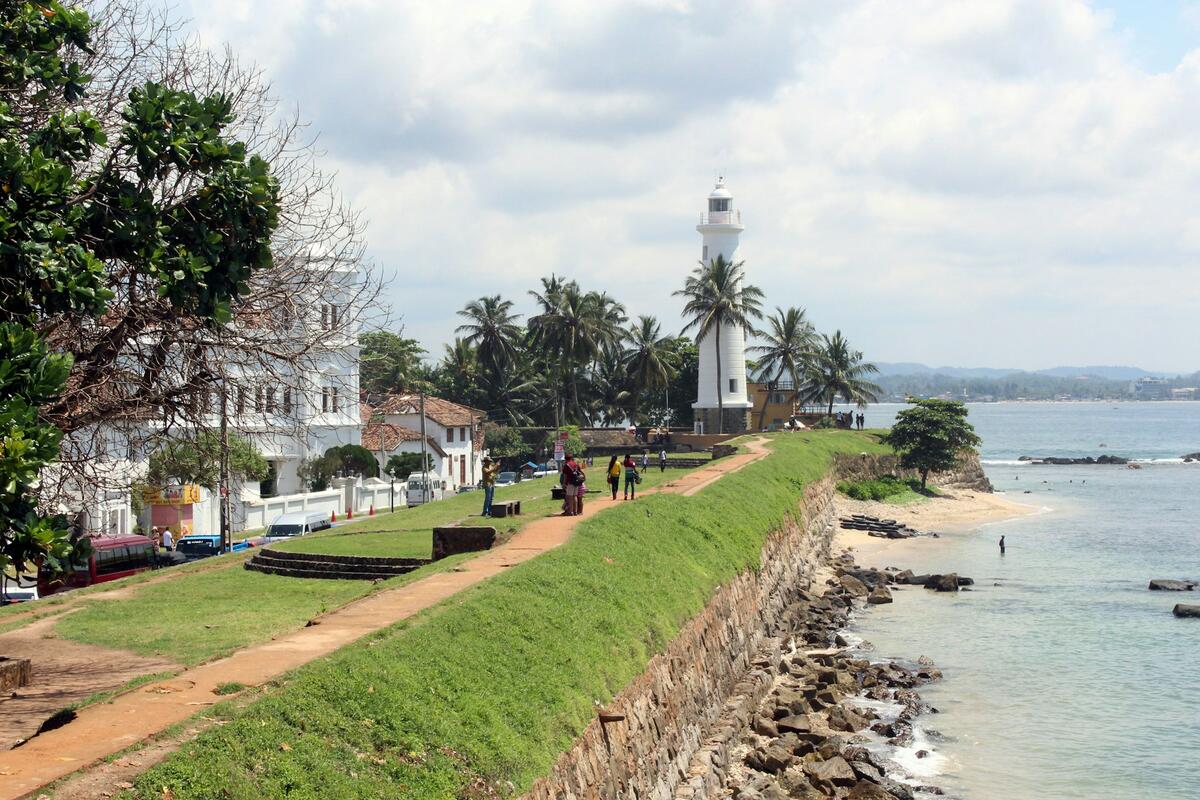
- Days 4–5: Galle and cultural exploration
- Days 6–7: nature or Ayurveda
14-day yoga and meditation journey
- Days 1–4: Ahangama or Weligama for daily yoga and ocean meditation
- Days 5–7: Galle and its culture
- Days 8–10: Ella for nature meditation and hiking
- Days 11–14: Kandy and its temples
21-day deep journey
Combine the beaches, the mountains, the ancient cities of Anuradhapura and Dambulla, Ayurveda and daily meditation at a slow, unhurried pace.
Best places in Sri Lanka for yoga and meditation
Common mistakes to avoid
- Trying to see everything: rushing between regions leaves no time for practice or rest.
- Skipping practice on travel days: a few minutes of breathing is always possible, even on a train.
- Practising in the midday heat: stick to sunrise and sunset, and drink plenty of water.
- Forcing advanced poses on uneven ground: keep outdoor practice simple and safe.
- Treating temples as photo stops: sit, observe and respect local customs instead.
How yoga and meditation change the way you travel
You become more present
You notice sounds, colours, faces and small moments you would otherwise miss.
You connect more deeply
With local people, nature, the culture and yourself.
You create meaningful memories
A sunrise practice, a shared meal or an hour by the sea often stays with you longer than any famous sight.
Practical tips for your journey
- Pack a travel mat, comfortable clothes, a water bottle and a journal (and a cushion if you like)
- Keep a short daily practice: stretching, breathing, meditation and reflection
- Travel slowly and spend enough time in each place
- Dress respectfully and keep silence at spiritual sites
- Stay open and curious to new people and ideas
For visas, money and transport, read our Sri Lanka travel guide for yoga students.
Experience Sri Lanka beyond tourism
Exploring Sri Lanka through yoga and meditation is about more than seeing a beautiful country. Through beaches, temples, mountains, Ayurveda and local culture, it becomes a journey of personal growth, where the inner journey matters as much as the outer one.
Ready to begin? Join a yoga teacher training in Sri Lanka, explore our guide to yoga retreats, or contact us with any questions.
Frequently asked questions
Is Sri Lanka a good destination for yoga and meditation?
Yes. Peaceful beaches, a long Buddhist meditation tradition, beautiful landscapes and a strong wellness culture make it ideal.
Can beginners practise yoga and meditation in Sri Lanka?
Yes. Retreats, meditation sessions and teacher training courses welcome all levels.
What are the best places for meditation in Sri Lanka?
Kandy, Ella, Tangalle, Ahangama and the ancient temple areas of Anuradhapura and Dambulla.
Can I combine yoga teacher training with travel?
Yes. Many students explore the island before or after their course.
How long should I spend exploring Sri Lanka this way?
Two to three weeks gives you time to combine the coast, the hills and cultural sites without rushing.
What is the best time to visit for yoga travel?
December to April for the south coast and May to September for the east coast. The hill country is driest from January to April.
Do I need meditation experience to visit temples?
No. Anyone can visit respectfully and sit quietly. Simply follow the dress code and local customs.