Home › Blog › Destination & Travel Guides
Destination & Travel Guides
Things to Do After Yoga Teacher Training in Sri Lanka: Complete Travel Guide
Beaches, temples, Ayurveda, tea country, wildlife and scenic trains: how to rest, explore and keep your practice alive once your course is complete.
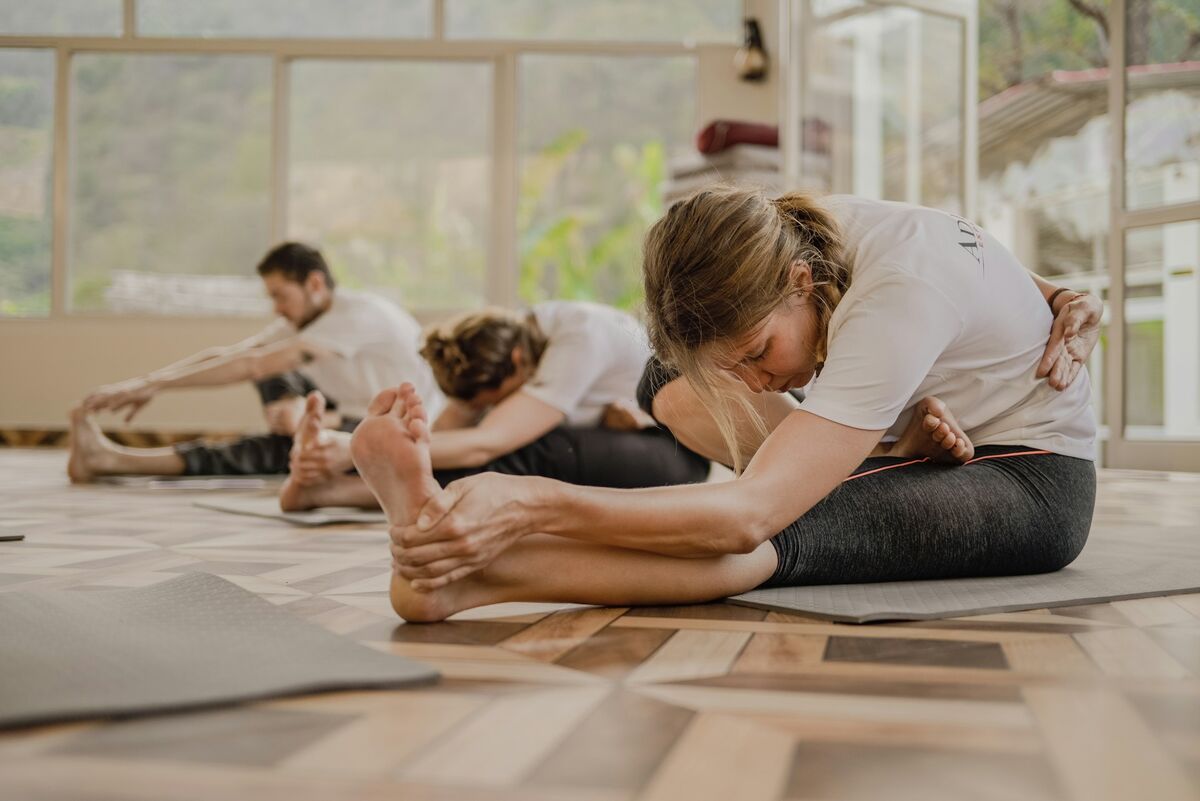
You have just finished your yoga teacher training. Your body has worked hard, your mind is full of new ideas and your heart may feel more open than it has in years. Before you rush back to normal life, give yourself time to rest, reflect and explore.
Sri Lanka is the perfect place to do that. Within a few hours you can move from quiet beaches to misty tea hills, ancient temples and wild national parks. This guide shares the best things to do after your yoga teacher training in Sri Lanka, suggested routes for one, two or three weeks, and simple tips to keep your practice going on the road.
Key takeaways
- Plan at least a few days of rest after your course before you start exploring.
- Beaches, temples, Ayurveda, tea country and wildlife are the highlights.
- One week is enough to relax; two to three weeks lets you see the coast, hills and cultural sites.
- South coast from December to April, east coast from May to September.
- Keep a short daily practice to help everything you learned settle in.
Why travel after yoga teacher training?
Teacher training is intense. For weeks you have practised from early morning, studied philosophy and anatomy, taught your classmates and looked closely at yourself. Going straight from that into airports, inboxes and deadlines can feel like a shock.
A few days or weeks of travel gives you space to:
- Reflect on what you have learned and how it has changed you
- Integrate new habits slowly, before daily life takes over
- Recharge your body after weeks of intensive practice
- Explore a new culture with fresh, mindful eyes
- Keep your mindfulness alive in real-world situations
1. Relax and recharge on Sri Lanka’s beaches
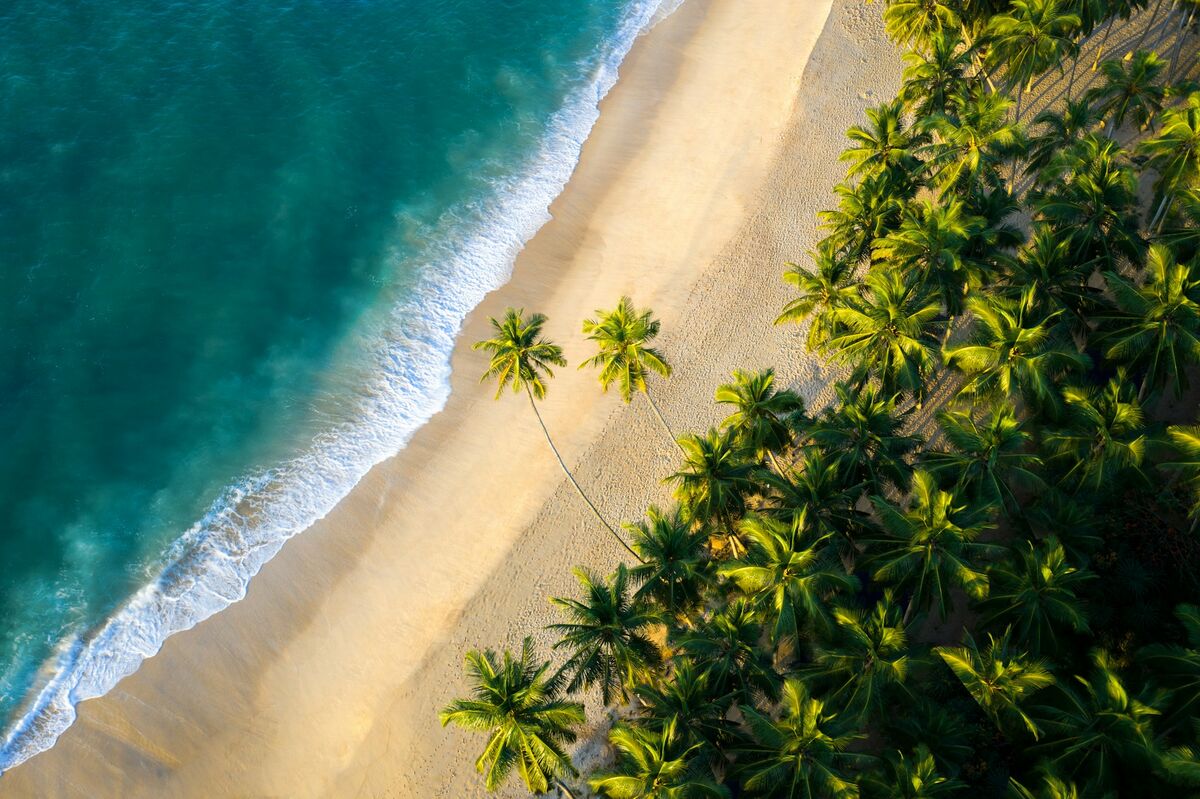
After weeks of structure, nothing feels better than unplanned days by the ocean. Sri Lanka’s south coast is lined with palm-fringed bays, calm mornings and warm water.
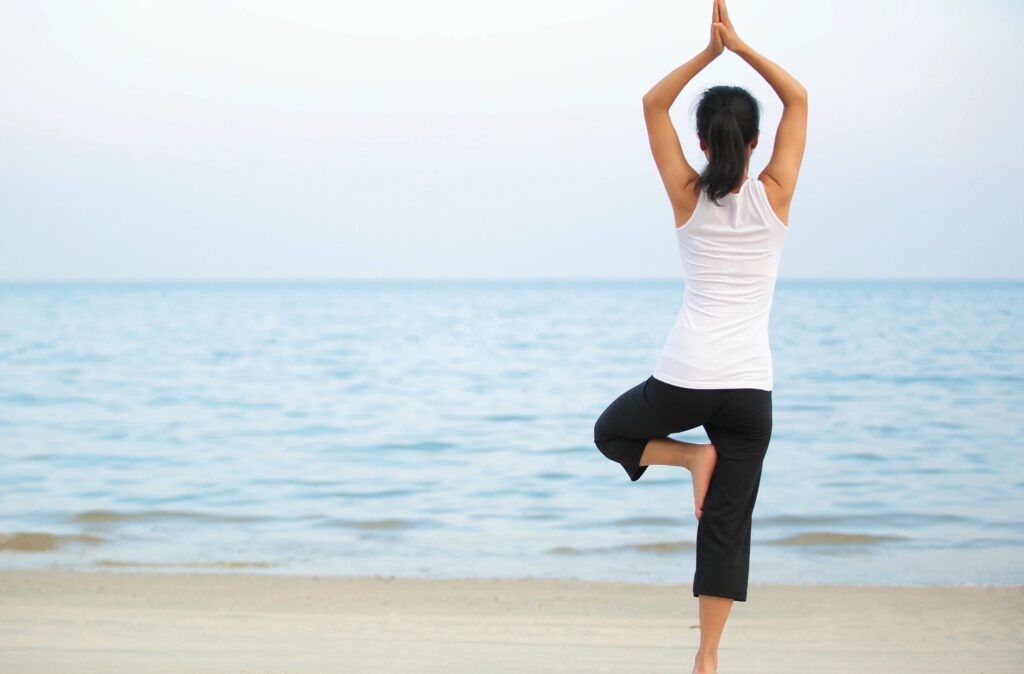
Practise beach yoga
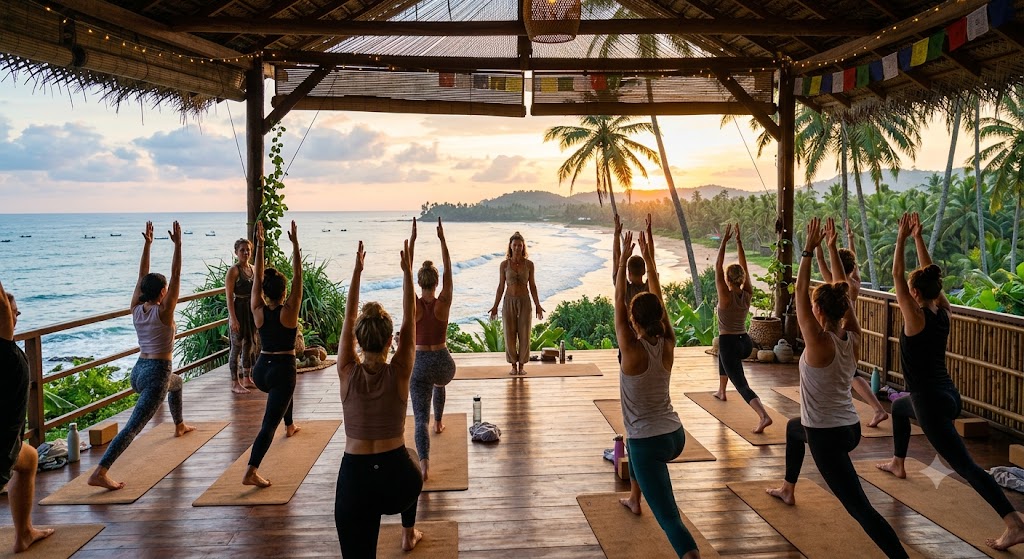
Take your mat to the sand at sunrise. Move through a few sun salutations, a gentle stretch and some breathwork while the waves set the rhythm. It is a lovely way to keep practising without the pressure of a class.
Enjoy sunset meditation
As the sun drops into the sea, sit quietly and simply watch. Let the day settle, notice your breath and end with a moment of gratitude for everything the training gave you.
Best beaches after yoga teacher training
Ahangama
A yoga-friendly town with healthy cafés, a relaxed pace and other practitioners to share your days with.
Mirissa
Long beach walks, ocean views, fresh local food and some of the island’s best sunsets.
Hiriketiya
A small, quiet bay that suits slow travel, gentle surfing and daily meditation.
Tangalle
Long, empty stretches of sand for journaling, deep rest and quiet reflection.
For more options, read our guide to the best beaches in Sri Lanka for yoga and wellness.
2. Visit ancient temples and spiritual places
Your training will have introduced you to yoga philosophy and meditation. Sri Lanka’s sacred sites are a beautiful place to feel those teachings come alive.
Temple of the Sacred Tooth Relic, Kandy
One of the most important Buddhist sites in the world. Visit during the daily rituals (pujas) to hear the drums and see the offerings, and take time to sit quietly in the surrounding gardens.
Dambulla Cave Temple
A series of caves filled with ancient Buddha statues and painted ceilings. The cool, quiet interiors are a natural place for a few minutes of stillness.
Ancient cities: Anuradhapura and Polonnaruwa
Stupas, ruins and sacred trees spread across peaceful parkland. Cycling slowly between the sites is a gentle way to explore history while staying present.
3. Experience Ayurveda and traditional wellness
After weeks of physical practice, your body will love some care. Sri Lanka has a centuries-old Ayurveda tradition.
Ayurvedic treatments
Herbal oil massages, steam baths and consultations with an Ayurvedic doctor can help your muscles recover and leave you deeply relaxed. Some centres offer multi-day programmes if you want a full reset.
Ayurvedic food
Fresh, simple, balanced meals made with local vegetables, grains and spices. Many students find this a natural continuation of the mindful eating they practised during training.
Always choose a reputable, qualified centre and mention any health conditions before treatment. For more ideas, read top wellness experiences to enjoy in Sri Lanka.
4. Explore Sri Lanka’s mountain landscapes
The hill country is cooler, greener and slower than the coast, and perfect for reflection.
Ella
Hike up Little Adam’s Peak or Ella Rock for sunrise, visit the Nine Arches Bridge, cool off by Ravana Falls and walk through tea estates. Ella has plenty of cafés and guesthouses with mountain views for quiet afternoons.
Nuwara Eliya
Known as “Little England” for its cool climate, colonial buildings and neat tea gardens. Bring a warm layer, walk among the tea, and enjoy misty mornings that are ideal for meditation.
5. Connect with wildlife and nature
Watching animals in the wild is a lesson in patience and presence, two qualities your training has helped you build.
Yala National Park
Sri Lanka’s best-known park, famous for leopards, elephants, crocodiles and hundreds of bird species. Go on an early morning jeep safari for the best sightings.
Udawalawe National Park
One of the best places in Asia to see wild elephants in large herds. Nearby, the Elephant Transit Home cares for orphaned calves before releasing them back to the wild.
Choose responsible operators, follow your guide, keep a respectful distance and never feed or disturb wildlife.
6. Learn surfing and enjoy the ocean
Surfing and yoga have a lot in common: balance, breath control and full attention on the present moment. It is a fun way to put your training into practice.
Weligama
A wide, gentle bay with soft waves and many surf schools. The best place in Sri Lanka to learn.
Arugam Bay
The island’s surf capital on the east coast, with a relaxed beach lifestyle. Best from May to September.
Only swim and surf where locals and instructors say it is safe, and follow any warning flags.
7. Take a scenic train journey
The train ride through the hill country, between Kandy, Nuwara Eliya (Nanu Oya station) and Ella, is one of the most beautiful in the world. It winds past tea estates, waterfalls, forests and small villages.
Why train travel is a mindful experience
There is nothing to do but watch the world go by. Put your phone away, open the window and simply notice: the colours, the sounds, the people getting on and off. It is a moving meditation. Book reserved seats in advance during busy months.
8. Explore Sri Lankan tea culture
Ceylon tea is famous worldwide, and the hill country is where it grows.
- Walk through the plantations and watch tea pickers at work
- Visit a working tea factory to see how leaves become tea
- Join a tasting and learn the difference between high- and low-grown teas
- Sit with a fresh cup and a mountain view, and simply enjoy it
9. Practise meditation in peaceful places
Your training gave you the tools; now use them in new settings.
Beach
Sit at sunrise and follow the rhythm of the waves with your breath.
Forest
Walk slowly and listen to birds, insects and leaves.
Temple
Sit quietly in a temple garden and absorb the calm.
Your room
Keep a short daily session, wherever you are staying.
For more ideas, read exploring Sri Lanka through yoga and meditation.
10. Experience Sri Lankan food and local culture
Try traditional food
Rice and curry with several vegetable dishes, dhal, coconut sambol, hoppers for breakfast, fresh tropical fruit and spicy roti. Much of it is naturally vegetarian, and every region has its own flavours.
Visit local markets
Wander through fruit, vegetable and spice markets, chat with sellers and see daily life up close. It is one of the easiest ways to connect with local people.
“I have enjoyed every moment in this month at Ekant Yoga. The teachers are both professional and caring.”
Marleen van Erp, 200 hour graduate
11. Visit Galle Fort and experience history
Galle Fort is a UNESCO World Heritage Site on the south coast. Walk the old ramparts, explore narrow streets of colonial buildings, browse small galleries and cafés, and watch the sun set over the ocean from the lighthouse. Walking slowly here is a gentle way to stay present while you explore.
12. Create your own yoga integration retreat
Some students choose to spend a few days simply on their own, at a quiet guesthouse by the sea or in the hills. Think of it as a personal retreat to let the training sink in.
Morning
Asana, pranayama and meditation, at your own pace.
Midday
A simple meal, followed by journaling about what you learned.
Afternoon
A walk in nature, reading, or a few hours of silence.
Evening
Gentle stretching, reflection and an early night.
Suggested travel routes after your training
7 days: rest and the south coast
- Days 1–3: a south-coast beach (Ahangama, Mirissa or Hiriketiya) to rest and practise
- Days 4–5: Galle Fort and nearby beaches
- Days 6–7: an Ayurveda treatment or a safari at Udawalawe, then fly home
14 days: coast, hills and culture
- Days 1–4: beaches on the south coast
- Days 5–6: Galle Fort
- Days 7–10: Ella, hiking and tea country
- Days 11–14: the scenic train to Kandy, temples and wellness
21 days: a deeper mindful journey
- Week 1: south coast beaches and Galle
- Week 2: a safari in Yala or Udawalawe, then Ella and Nuwara Eliya
- Week 3: Kandy, Dambulla, Sigiriya and the ancient cities, with daily meditation
Roads are slow, so allow plenty of time between regions and avoid packing too much into each day.
Benefits of exploring Sri Lanka after training
Physical recovery
Rest, massage and gentle movement help your body recover from weeks of practice.
Mental integration
Time and space let new knowledge settle before daily life returns.
Emotional growth
New places and people build confidence and openness.
Spiritual development
Temples, meditation and nature deepen what began in the training hall.
Best time to explore Sri Lanka
Read the best time to visit Sri Lanka for yoga for month-by-month details.
Practical travel tips
- Keep practising: even 15 minutes a day keeps your training alive.
- Travel slowly: fewer places, longer stays. Don’t try to see everything.
- Pack light: a travel mat, yoga clothes, a water bottle, walking shoes and sun protection.
- Respect local culture: dress modestly at temples and remove shoes when asked.
- Stay open: leave room for unplanned days and unexpected invitations.
For visas, money and transport, see our full Sri Lanka travel guide for yoga students.
Continue your yoga journey
Your training does not end when you receive your certificate. The weeks after are when it starts to become part of your life. Travel slowly, keep practising, and let Sri Lanka help you take what you learned off the mat and into the world.
Still planning your training? Explore our Yoga Alliance certified 100 hour, 200 hour and 300 hour courses in Sri Lanka, or contact us with any questions.
Frequently asked questions
Should I travel after yoga teacher training in Sri Lanka?
Yes. Time to rest and explore helps your body recover and lets everything you learned settle in before you return home.
How long should I stay after my course?
About one week to relax, two weeks to see the coast and hills, or three to four weeks for a slow, deep journey.
What are the best places to visit after training?
Ahangama, Mirissa, Galle, Ella, Kandy, Sigiriya and Tangalle, each with a different feel.
Can I keep practising yoga while travelling?
Yes. Practise on the beach, in nature, at your guesthouse or join local classes and wellness centres.
Is Sri Lanka safe for solo yoga travellers?
Many solo travellers visit and find it welcoming. Use common sense, keep valuables safe, respect local customs and check your government’s travel advice.
What is the best activity after training?
For rest: beaches, Ayurveda and meditation. For adventure: hiking, surfing and safaris. For spiritual growth: temples and cultural sites.
Should I do Ayurveda right after my course?
Yes, it is an ideal time. Your body is ready for rest and recovery after weeks of practice.