Home › Blog › Wellness & Lifestyle
Wellness & Lifestyle
A Complete Guide to Yoga Retreats in Sri Lanka: Benefits, Experiences & Tips
What a yoga retreat is, the different types, a typical day, the best places on the island, how to choose the right one and how it compares with teacher training.
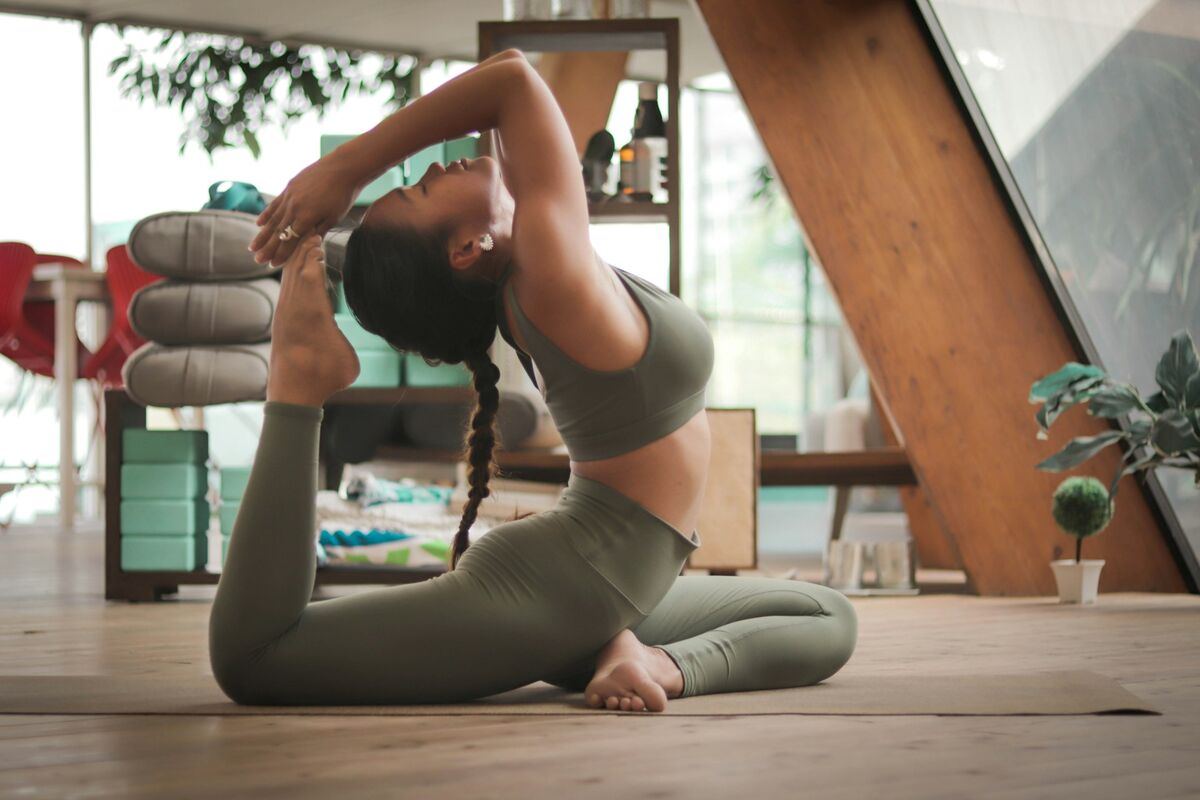
Sometimes the best thing you can do for yourself is step away from everyday life, even for a week. A yoga retreat gives you that space: time to move, breathe, rest and reconnect, without having to plan a thing.
Sri Lanka, with its peaceful beaches, misty mountains, Ayurveda tradition and warm hospitality, is one of the most rewarding places in Asia for a retreat. This complete guide explains what a yoga retreat is, the benefits, the types you can choose from, what a typical day looks like, where to go and how to pick the retreat that is right for you.
Key takeaways
- A yoga retreat is dedicated time for yoga, meditation, healthy food and rest.
- Beginners are welcome on most retreats; no experience is needed.
- Choose by your goal: beach rest, meditation, wellness, yoga and surf, or deeper learning.
- Five days helps you relax, seven gives balance and 10–14 days supports deeper change.
- South coast retreats are best December to April; east coast May to September.
What is a yoga retreat?
A yoga retreat is a set period, usually from a few days to two weeks, dedicated to yoga, relaxation, mindfulness and wellbeing. Everything is organised for you, so you can switch off and focus on yourself.
Most retreats include:
- Daily yoga classes, often morning and evening
- Meditation and breathwork (pranayama)
- Healthy, nourishing meals
- Time for rest, reflection and nature
- Optional extras such as Ayurveda treatments or cultural trips
A retreat is different from a holiday with a few yoga classes. On a holiday you still make dozens of small decisions every day: where to eat, what to see, how to get there. On a retreat those decisions are taken care of. The day has a gentle structure, and the people around you share the same intention to slow down and look after themselves. That combination is what makes a few days feel so restorative.
It is also different from a regular class at home. At home, yoga is one hour squeezed between work and family. On retreat, practice becomes the centre of the day, and the effects build from one session to the next. Many guests notice after just three or four days that they sleep better, breathe more deeply and feel lighter in both body and mind.
Why choose Sri Lanka for a yoga retreat?
Sri Lanka brings together everything a retreat needs: golden beaches and green mountains, a Buddhist meditation tradition, centuries of Ayurveda, simple, healthy local food and some of the friendliest hospitality in the world. For more reasons, read why choose Sri Lanka for a yoga retreat experience.
1. Beautiful natural settings for practice
Beach retreats
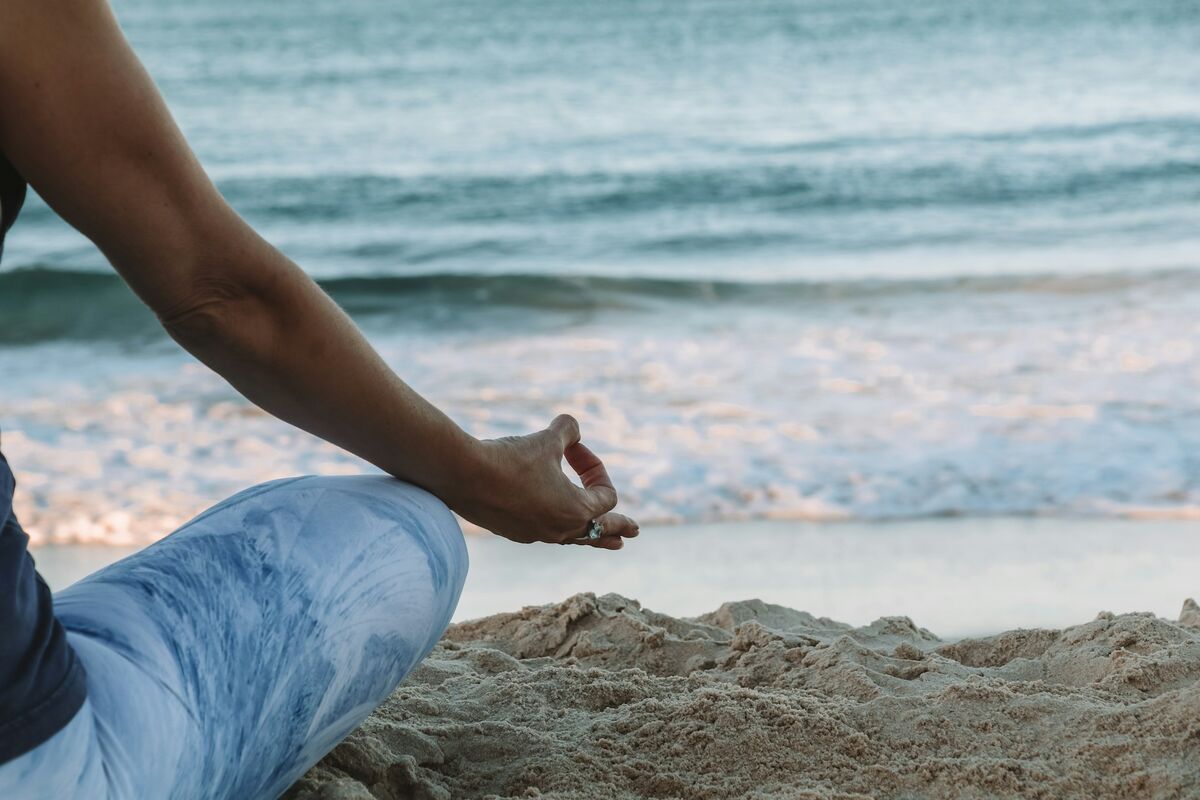
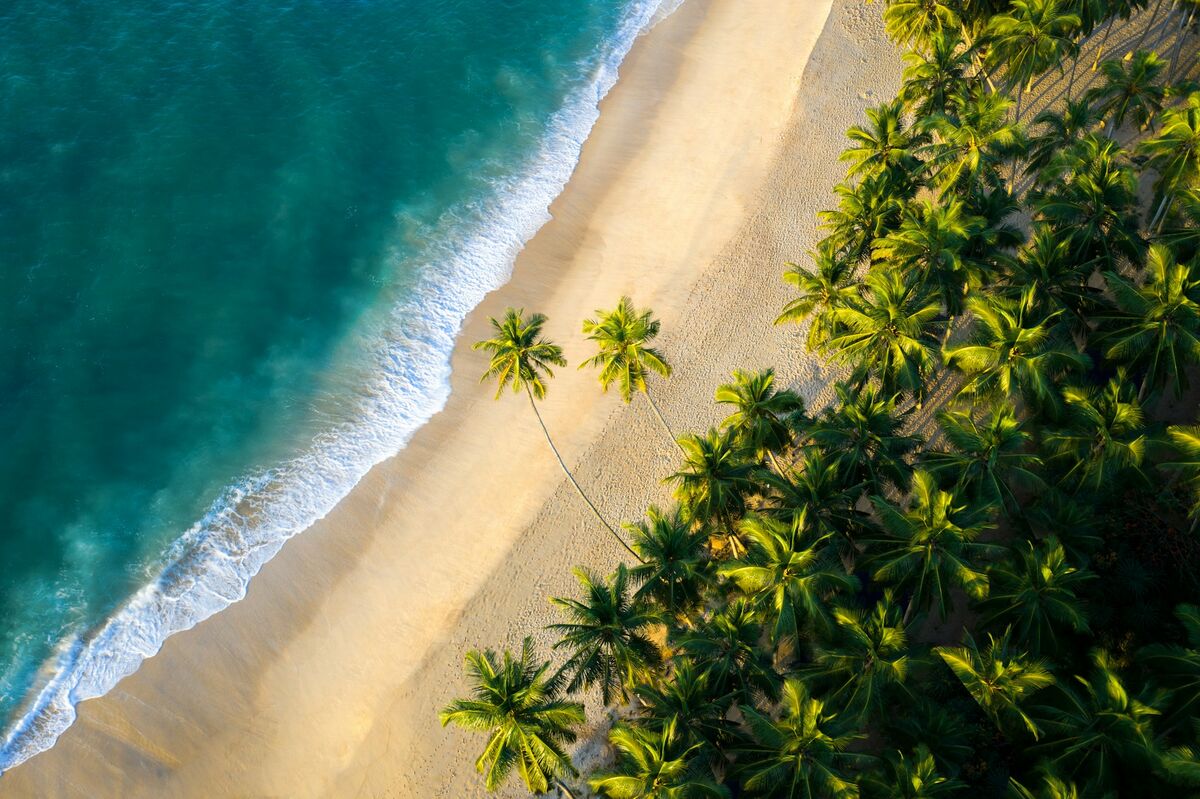
The sound of the ocean and wide open space make it easy to relax and stay aware.
Mountain retreats
Fresh air, quiet and sweeping views create a grounded, reflective atmosphere.
Nature retreats
Forest settings for meditation, silence and mindful walking.
2. Benefits of a yoga retreat in Sri Lanka
Physical
Better flexibility, strength and posture, deeper breathing and release of built-up tension.
Mental
Improved focus, a calmer mind and real relaxation.
Emotional
More self-awareness, confidence, inner peace and a positive outlook.
Spiritual
A deeper connection through meditation, yoga philosophy, silence and self-reflection.
3. Types of yoga retreats in Sri Lanka
Beginner yoga retreats
Gentle introductions to basic postures, breathing and meditation. Perfect if you are new to yoga or returning after a break.
Teachers explain each pose step by step, offer props and variations, and never push you beyond what feels right. You will also learn simple breathing and relaxation techniques you can use at home.
Meditation retreats
A focus on mindfulness, breath awareness and silent sitting, sometimes with periods of noble silence.
Yoga is usually gentler on these retreats and serves to prepare the body for sitting. Expect several meditation sessions a day, walking meditation and talks on mindfulness. If you have never meditated before, choose a retreat with guided sessions rather than long silent periods at first.
Wellness yoga retreats
Yoga combined with Ayurveda, nutrition, massage and time in nature for a full reset.
These suit anyone recovering from stress, burnout or a demanding year. The yoga is balanced and restorative, meals are planned for nourishment, and treatments help the body relax and release tension.
Yoga and surf retreats
Morning yoga followed by surf lessons and relaxed beach living. Popular in Weligama and Arugam Bay.
Yoga and surfing complement each other well: yoga builds the flexibility, core strength and breath control that help in the water, while surfing teaches balance and presence in a playful way. Weligama is ideal for complete beginners; Arugam Bay suits those with some surfing experience.
Yoga teacher training
The most immersive option: intensive study of philosophy, anatomy, teaching skills and advanced practice, leading to a Yoga Alliance certified qualification.
Even if you never plan to teach, a 100 hour or 200 hour course is a powerful way to deepen your own practice. Many of our students start with a retreat and come back for training.
4. A typical day on a yoga retreat
Morning
Wake, breathe and move
Sunrise meditation, pranayama and a yoga class, followed by a healthy breakfast.
Afternoon
Learn, rest and explore
Workshops, Ayurveda treatments, time in nature, cultural trips or simply free time to rest.
Evening
Unwind
Gentle yoga or yin, meditation, quiet reflection and an early night.
Schedules vary, so check the timetable before you book.
What your first day looks like
Most retreats begin with arrival in the afternoon, a welcome talk and a gentle evening class. You meet your teachers and fellow guests, settle into your room and learn the rhythm of the days ahead. It is normal to feel a little restless on the first evening; by the second morning, most people have already started to unwind.
A sample 7-day retreat
- Day 1: arrival, welcome, gentle yoga and relaxation
- Days 2–3: building a daily rhythm of morning practice, meditation and rest
- Day 4: a nature or cultural outing, such as a temple visit or beach walk
- Days 5–6: deeper practice, an Ayurveda treatment and quiet reflection
- Day 7: a closing session, sharing circle and departure
5. Best places for yoga retreats in Sri Lanka
Ahangama
Best for: beach yoga and a wellness lifestyle. Daily practice, meditation, healthy food and a friendly community.
Weligama
Best for: yoga and surfing. Beginner-friendly waves, beach walks and an active, welcoming vibe.
Mirissa
Best for: relaxing by the ocean. Sunrise yoga, calm beaches and slow days.
Ella
Best for: mountain and nature retreats. Forests, waterfalls, walks and reflection.
Kandy
Best for: spiritual and cultural retreats. Temples, meditation and heritage.
Tangalle
Best for: quiet and privacy. Less crowded beaches for deep rest and recovery.
See our guide to the best beaches in Sri Lanka for yoga and wellness.
6. Activities included in retreats
- Meditation: mindfulness, guided, breath-focused and silent sitting
- Pranayama and breathwork: techniques to calm the mind and build awareness
- Ayurveda: herbal massage, consultations and natural therapies
- Healthy food: fresh, whole, local meals, often vegetarian
- Nature: beach walks, hikes, forest trails and waterfalls
- Culture: temple visits, cooking classes and village life
“It was my first yoga retreat ever, and I could have not been any luckier. I had the time of my life.”
Veselin Milicici, Ekant Yoga retreat guest
7. Yoga retreats and personal transformation
Creating mental space
Away from work and screens, you have time to slow down, notice your thoughts and understand your emotions.
Building healthy habits
Daily practice, meditation and mindful eating become routines you can take home.
Reconnecting with yourself
Many guests leave with more clarity, confidence and a fresh perspective on life.
Who is a yoga retreat for?
Almost anyone. Retreats suit busy professionals who need to switch off, beginners who want a gentle introduction, experienced practitioners looking to deepen their practice, solo travellers who want a safe and friendly group, and friends or couples who want to share a healthy break. You do not need to be flexible, fit or spiritual; you only need the wish to slow down.
Travelling alone to a retreat
Many guests come on their own. Retreats are one of the easiest ways to travel solo, because meals, classes and activities naturally bring people together, while there is always time for quiet when you need it.
8. How to choose the right retreat
- Define your purpose: relaxation, meditation, fitness, spiritual growth or learning more about yoga.
- Match your level: beginner, intermediate or advanced.
- Check the programme: the daily schedule, yoga styles, meditation and the balance of practice and rest.
- Pick a location: beaches (Ahangama, Weligama, Mirissa), mountains (Ella), culture (Kandy) or peace (Tangalle).
- Look for authenticity: qualified, experienced teachers, small groups and a genuine, mindful atmosphere.
- Check what is included: accommodation, meals, treatments, transfers and excursions.
Questions to ask before you book
- Who are the teachers, and how much experience do they have?
- How many guests are in each group?
- Which yoga styles are taught, and is the level suitable for me?
- What does a typical day look like, and how much free time is there?
- Are meals included, and can you cater for my dietary needs?
- What is the cancellation and refund policy?
What affects the price
Retreat prices vary with the length of stay, private or shared rooms, the location, the number of classes, whether treatments are included and the experience of the teachers. Compare what is included, not just the headline price. A slightly higher fee that covers meals, treatments and transfers often works out better value.
9. Yoga retreat vs yoga teacher training
Wondering if training is right for you? Read Is 200 Hour Yoga Teacher Training Worth It? and What Is a 200 Hour Yoga Teacher Training?
How to prepare for your retreat
- Set an intention: decide what you most want, whether rest, clarity or a stronger practice.
- Stay open: be ready to try new techniques and styles.
- Pack mindfully: yoga clothes, a travel mat, water bottle, journal, sunscreen and walking shoes.
- Reduce digital distractions: set your phone aside and enjoy moments of silence.
- Respect the space: be kind to teachers, fellow guests and the shared environment.
After your retreat
The real test of a retreat is how much of it you carry home. Keep one small habit going every day, such as ten minutes of yoga, a short meditation or a mindful morning cup of tea. Write down how you felt on retreat and read it when life gets busy. Many guests find that one week away gives them the motivation to build a lasting practice.
Retreat etiquette
- Arrive on time for classes and enter quietly
- Keep phones on silent in shared spaces
- Respect any silent periods
- Tell teachers about injuries before class
- Be open and friendly, but respect others’ need for quiet
Best time for a yoga retreat in Sri Lanka
- December to April: south-coast retreats in Galle, Tangalle, Ahangama, Weligama and Mirissa.
- May to September: east-coast retreats in Arugam Bay and Trincomalee, great with surfing.
- October to November: a quieter wellness season with fewer crowds.
Read the best time to visit Sri Lanka for yoga for more detail.
Begin your wellness journey
A yoga retreat in Sri Lanka is a chance to rest, reconnect and return home with new energy. It brings balance between activity and rest, body and mind, and yourself and nature. If you feel ready to go deeper still, a 200 hour yoga teacher training in Sri Lanka is the natural next step.
Want help choosing? Contact us or message us on WhatsApp.
Frequently asked questions
What happens during a yoga retreat in Sri Lanka?
Daily yoga, meditation and breathwork, healthy meals, rest and time in nature. Some retreats add Ayurveda or cultural trips.
Are yoga retreats suitable for beginners?
Yes. Most retreats welcome beginners and need no previous experience.
How long should a yoga retreat be?
Five days to relax, seven days for balance and 10–14 days for deeper change.
What is the difference between a retreat and teacher training?
A retreat focuses on rest and wellness. Teacher training is an intensive course that teaches you to teach and gives you a certificate.
Is Sri Lanka good for a spiritual retreat?
Yes. Its temples, meditation culture and peaceful nature make it ideal for spiritual retreats.
Can I combine a retreat with travel?
Yes. Add time before or after for beaches, mountains, cultural sites and wildlife.
What should I pack for a yoga retreat?
Yoga clothes, a travel mat, a water bottle, a journal, sun protection, light clothing and walking shoes.