Home › Blog › Wellness & Lifestyle
Wellness & Lifestyle
Benefits of Practising Yoga Near the Ocean in Sri Lanka
How the sea air, the sound of the waves and the open horizon change your yoga practice, with the physical, mental and spiritual benefits, the best beaches and practical tips for beach yoga.
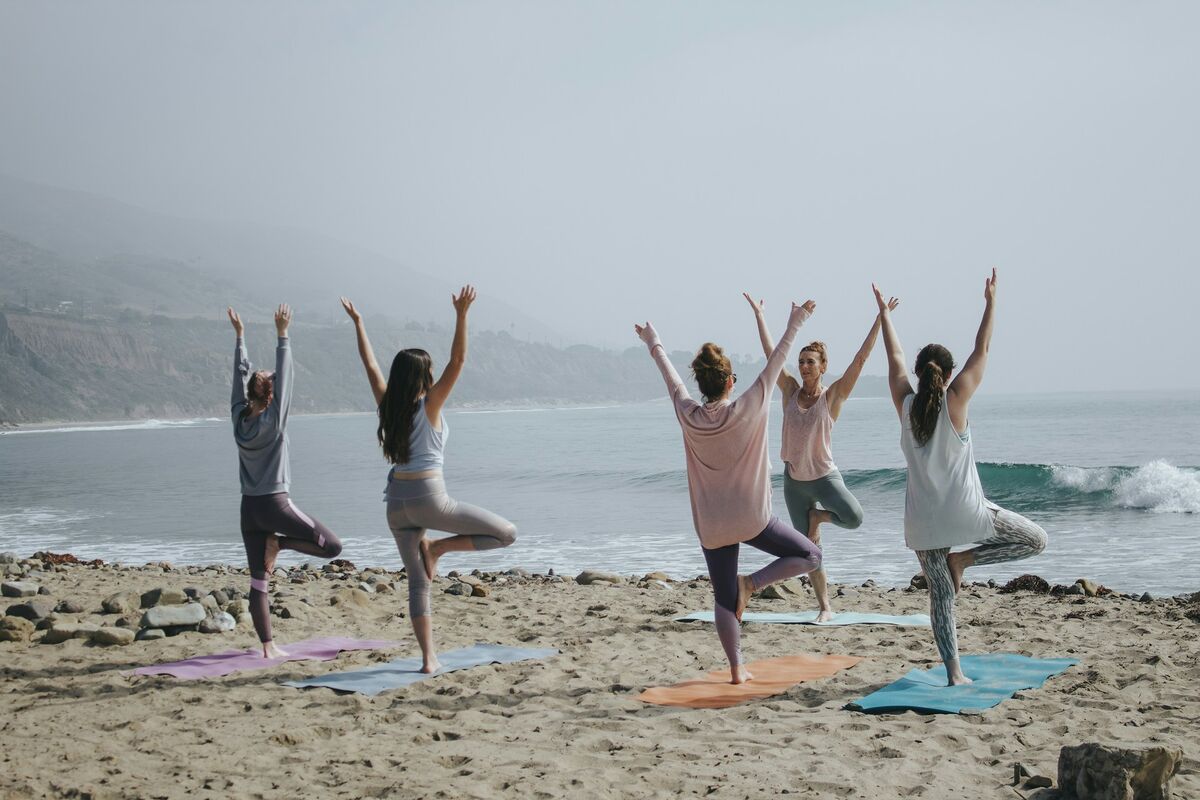
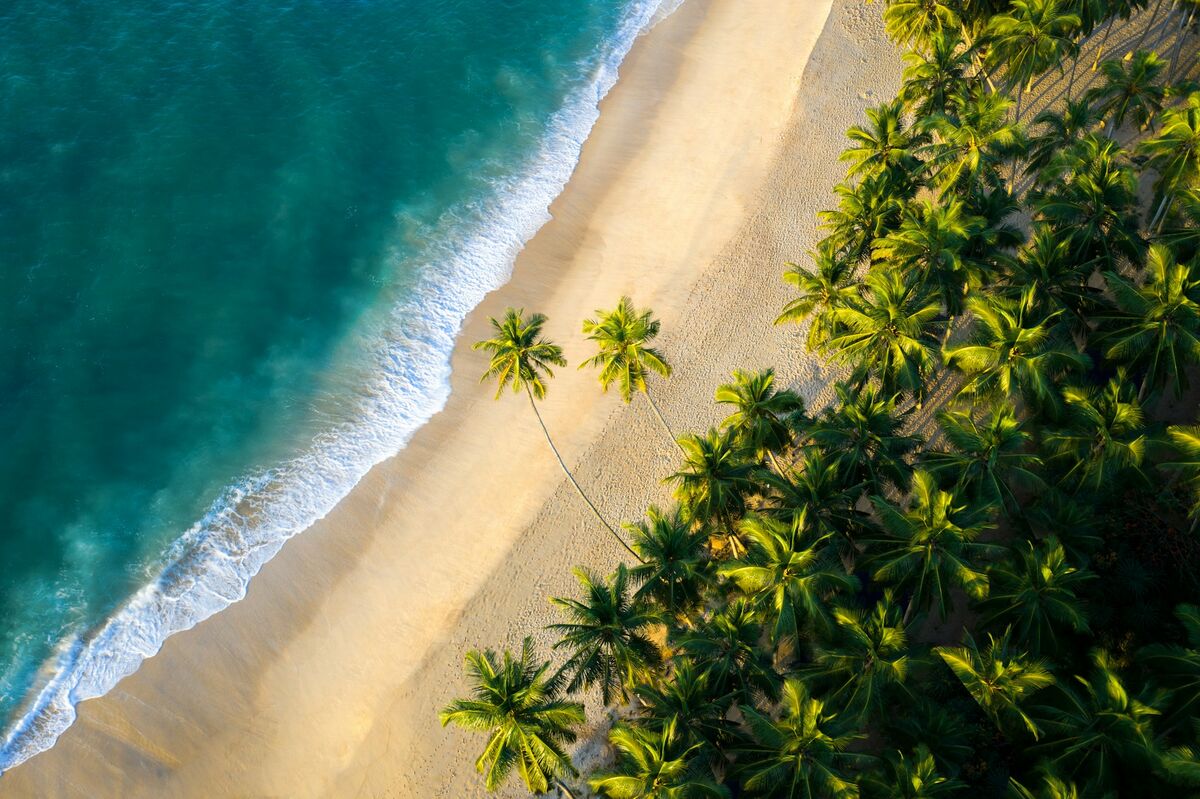
Roll out your mat a few steps from the sea and something shifts. The breath slows to match the waves, the shoulders drop, and a practice that felt like exercise at home begins to feel like meditation. Sri Lanka, with more than 1,300 kilometres of tropical coastline, is one of the best places in the world to experience it.
In this guide we look at why practising near the ocean feels so different, the physical, mental and spiritual benefits, the best stretches of Sri Lankan coast for yoga, and how to practise safely and respectfully on the beach. If you are thinking about training as a teacher by the sea, you will also see how ocean yoga becomes part of daily life during a course.
Key takeaways
- Fresh sea air and the steady rhythm of the waves make breathwork and meditation easier.
- Practising outdoors adds balance work, sensory awareness and a natural sense of calm.
- The south coast, from Unawatuna to Tangalle, is ideal from December to April.
- Sunrise and late afternoon are the best times; avoid the midday sun.
- Training by the ocean turns daily practice into a full-immersion experience.
Why the ocean changes your practice
Most of us practise in rooms built to block out the world: walls, a ceiling, artificial light, maybe music. That works, but it keeps attention focused on the body in front of the mirror. Near the ocean the space opens up. The horizon gives the eyes somewhere to rest, the waves supply a steady soundtrack, and the air carries the smell of salt and the warmth of the sun.
Yoga has always valued natural settings. Traditional texts describe the ideal place for practice as clean, quiet and peaceful, with fresh air and few distractions. A calm beach early in the morning meets every one of those conditions. The environment does part of the work for you, which is why many students say their mind settles faster outdoors than in any studio.
Physical benefits of ocean yoga
1. Deeper, easier breathing
Coastal air is usually fresh and moving, and practising in it naturally invites slower, fuller breaths. Pranayama such as Ujjayi, alternate nostril breathing and simple belly breathing feel more comfortable when the air is cool and clean. Over time this builds awareness of how you breathe during the rest of the day, too.
2. Better balance and stronger feet
Sand is uneven and slightly unstable. Standing poses such as Tree, Warrior III and Half Moon ask the small muscles of the feet, ankles and core to work harder to keep you steady. Practised mindfully, this improves balance and proprioception, your sense of where the body is in space.
3. Gentler on the joints
A soft surface can feel kinder on the knees and wrists in some poses. Lay your mat on firm, flat sand rather than loose dunes, and use a towel under the knees if you need extra cushioning.
4. Natural warmth for flexibility
Tropical temperatures warm the muscles quickly, which can make stretching more comfortable. The caution is not to overdo it: warm muscles can make you feel more flexible than you really are, so move slowly and never push into pain.
5. Release of everyday tension
The neck, shoulders, lower back and hips hold the stress of desks, screens and travel. Slow movement combined with the calming sound of the sea makes it easier to let these areas soften.
Mental and emotional benefits
The sound of the waves as a meditation anchor
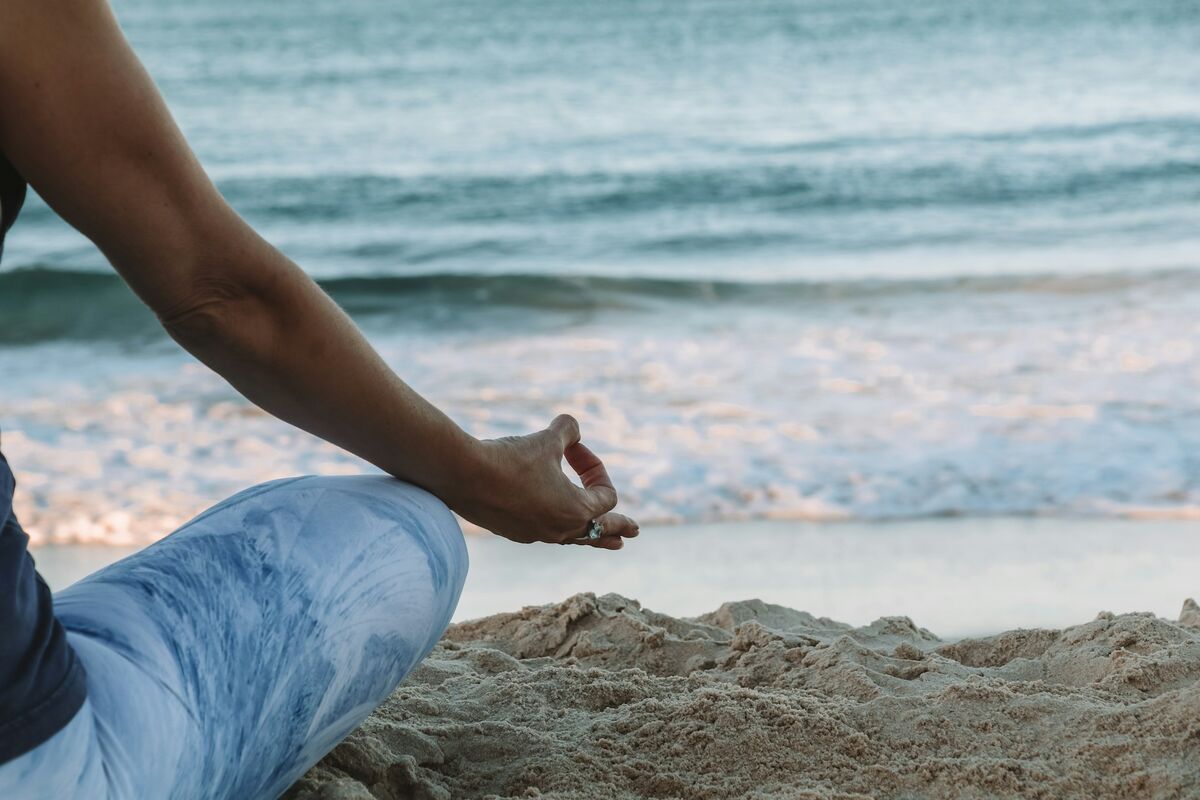
In meditation the mind needs something to rest on: the breath, a mantra, a sound. Waves are a perfect anchor. They are rhythmic, never quite the same and impossible to ignore. Simply listening to one wave arrive and withdraw, then the next, is a complete meditation practice in itself.
Calm and emotional balance
Many people feel calmer near water, and research into “blue spaces” has linked time by the coast with lower stress and better mood. Add movement and breathwork and the effect is strengthened. Students often notice they sleep better and feel less anxious after a few days of practising by the sea.
Patience and presence
The ocean never rushes and never stays the same. Tides come in and go out, and calm mornings follow rough nights. Watching this every day is a quiet lesson in accepting change, which sits at the heart of yoga philosophy.
A natural digital detox
It is hard to scroll a phone while watching the sunrise. Practising by the sea naturally pulls attention away from screens and towards walking, swimming, reading and real conversation.
Practising with the five elements
Yoga and Ayurveda describe the world, and the body, as made of five elements. A beach is one of the few places where you meet all of them at once:
A simple practice is to bring attention to one element at a time during the final relaxation: first the support of the ground, then the sound of the water, the warmth of the sun, the touch of the air and finally the sense of open space all around you.
Spiritual benefits
Sitting in front of an endless horizon has a way of putting life into perspective. Problems that felt huge in the city seem smaller beside the ocean. This is why so many students use their time by the sea for reflection: thinking about what matters, what they want to change and where they are heading.
The sense of being part of something larger, a living system of tides, weather and seasons, is close to what yoga means by union. You do not need a spiritual belief to feel it; you only need to sit still long enough to notice.
Sunrise and sunset practice
Early morning is the classic time for yoga, and by the sea it is especially beautiful. The air is coolest, the beach is quiet and the light changes minute by minute. A sunrise practice sets a calm, focused tone for the whole day.
Late afternoon and sunset suit slower practices: Yin, restorative poses, gentle stretching and meditation as the light fades. Midday, by contrast, is best avoided. The tropical sun is strong between roughly 11 am and 3 pm, and sand can become uncomfortably hot.
Why Sri Lanka is perfect for ocean yoga
- Long, varied coastline: palm-lined bays, quiet coves and wide sandy beaches.
- Warm all year: sea temperatures stay comfortable, so swimming after practice is part of the routine.
- Two coastal seasons: when one coast has its monsoon, the other is usually dry, so there is almost always a good beach somewhere.
- Wellness traditions: Ayurveda, Buddhist meditation and fresh, plant-rich food fit naturally with yoga.
- A slower pace: small coastal towns are far quieter than big resort cities.
For more on the island’s healing traditions, read top wellness experiences to enjoy in Sri Lanka.
Best beaches in Sri Lanka for ocean yoga
Ahangama
A relaxed south-coast town with a strong yoga and wellness community and plenty of quiet early-morning beach.
Weligama
A long, wide bay with gentle waves, popular with beginner surfers and ideal for calm beach practice.
Mirissa
Palm trees, golden sand and wonderful sunsets for evening meditation.
Hiriketiya
A small horseshoe-shaped bay surrounded by jungle, peaceful outside the busiest weeks.
Unawatuna
A sheltered bay close to historic Galle, combining beach time with culture.
Tangalle
Long, quiet beaches for those who want space and solitude.
We cover each of these in more detail in our guide to the best beaches in Sri Lanka for yoga and wellness.
A simple 30-minute beach practice
Practical tips for practising on the beach
- Choose your spot carefully: firm, flat sand above the high-tide line, away from paths and fishing boats.
- Bring the right kit: a mat or a large towel, water, sunscreen, a hat and a light layer for meditation.
- Protect yourself from the sun: practise early or late, drink plenty of water and rest in the shade if you feel dizzy.
- Keep your eyes open in balances at first, using a fixed point on the horizon.
- Respect local culture: Sri Lanka is a conservative country outside tourist areas, so wear modest clothing off the mat and cover up when you leave the beach.
- Leave no trace: take all rubbish with you and never disturb nesting turtles or marine life.
- Swim safely: some beaches have strong currents. Swim only where locals do and follow any flags.
Ocean yoga during teacher training
A teacher training course by the sea is more than a beautiful backdrop. The environment becomes part of the learning. Morning meditation often begins with the sound of the waves, pranayama is easier in the fresh air, and walks along the shore become time for reflection on philosophy lectures or the day’s teaching practice.
Students also find that the sea helps them through the challenges of an intensive course. After a long day of study, a swim or a quiet sunset resets the mind and body for the next morning. Many describe it as the part of the experience they miss most when they get home.
Our 200 hour yoga teacher training in Sri Lanka runs over 23 days and covers Hatha and Vinyasa, with Yin or Ashtanga depending on the teachers available for each batch. If you have less time, the 11-day 100 hour course is a great introduction. For a retreat-style stay instead, read our complete guide to yoga retreats in Sri Lanka.
Final thoughts
Yoga near the ocean brings together everything that makes practice nourishing: fresh air for the breath, a natural rhythm for the mind, open space for reflection and the simple pleasure of being outside. Sri Lanka’s warm water, long beaches and gentle way of life make it an ideal place to experience it, whether for a few days on holiday or for a full month of training.
If you would like to practise and study by the Indian Ocean, contact us and we will share upcoming dates.
Frequently asked questions
Is yoga near the ocean better than yoga indoors?
Neither is better in every way. Indoor practice is more controlled, while practising by the sea adds fresh air, natural sound and a sense of space that many people find calming.
What is the best time of day for beach yoga in Sri Lanka?
Sunrise and late afternoon, when it is cooler and quieter. Avoid the strong sun from about 11 am to 3 pm.
Can beginners practise yoga on the beach?
Yes. Choose simple poses, firm sand and keep your eyes open during balances. The relaxed setting often helps beginners feel less self-conscious.
Do I need a mat for beach yoga?
A mat or a large towel helps. A mat gives more grip for standing poses; a towel is easier to carry and shake clean.
Which coast of Sri Lanka is best for ocean yoga?
The south coast is best from December to April; the east coast from May to September.
Is it safe to swim after practice?
On many beaches, yes, but currents can be strong. Swim where locals swim, follow warning flags and never swim alone after dark.
What should I bring?
A mat or towel, water, sunscreen, a hat, light breathable clothing and a shawl or layer for meditation.
Can I do yoga teacher training by the ocean in Sri Lanka?
Yes. Our 100 hour and 200 hour courses in Sri Lanka combine Yoga Alliance certified training with a peaceful coastal setting.