Home › Blog › Sri Lanka Travel
Sri Lanka Travel
Why so many yoga students feel a special energy in Sri Lanka: the ocean, rainforest and hills, a living spiritual heritage, authentic teaching, sattvic food and a warm climate, and how to bring that energy into your practice.
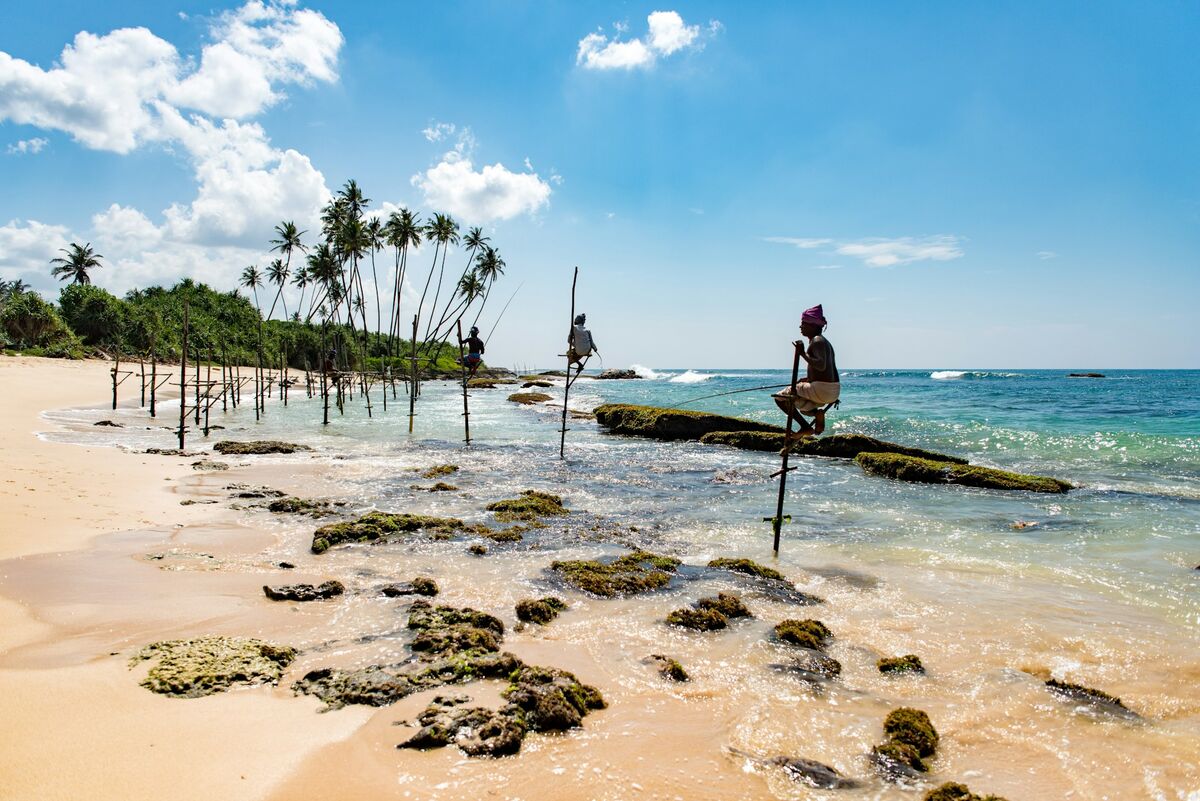
People who practise yoga in Sri Lanka often struggle to explain what makes it different. “It just felt easier,” they say. “My mind was quieter.” “I didn’t have to try so hard.” Something about the island seems to invite presence rather than effort.
In yoga we might call it prana, life energy. Others would simply say it is the effect of warm sun, clean sea air, green landscapes and a slower pace of life. Whatever you call it, it is real enough that more and more students are choosing Sri Lanka for their practice and training. In this article we explore where that natural energy comes from and how it can deepen your yoga.
Key takeaways
Yoga describes prana as the vital energy that animates all living things. It is said to flow through us with the breath, and to be found in abundance in fresh air, sunlight, clean water, living food and natural surroundings. When our environment is full of prana, practice feels lighter; when it is depleted, as in a stuffy room or a polluted city, we often feel heavy and tired.
You do not have to adopt this framework to notice its effects. Most of us feel more alive by the sea or in a forest than in an office. Sri Lanka simply offers a great deal of that feeling in a very small area.
Sri Lanka packs remarkable variety into an island you can cross in a day. Within a few hours you can move between:
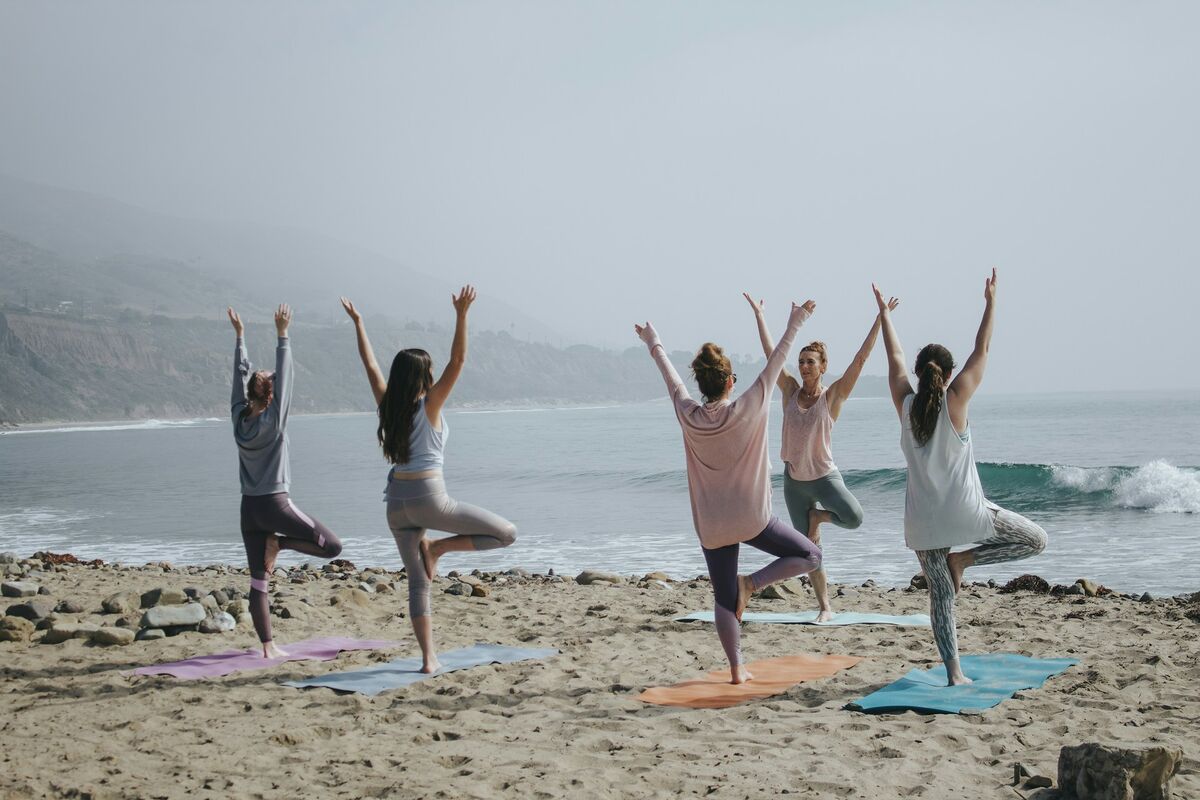
Golden beaches and warm water along the south and east coasts, perfect for sunrise practice and sunset meditation.
Dense, humid forests like Sinharaja, full of birdsong and green light.
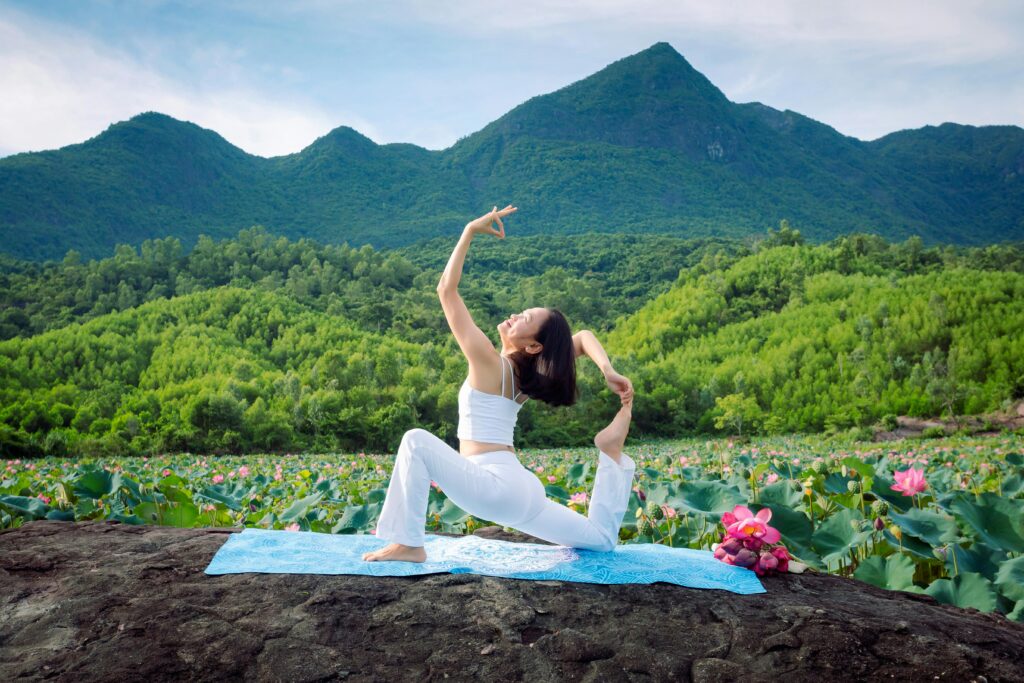
Cool, misty tea estates and mountains around Ella and Nuwara Eliya.
Still water, mangroves and wildlife that invite quiet observation.
Each landscape has its own quality: the sea is expansive and cleansing, the forest grounding, the hills clear and uplifting. Practising in these places, or simply spending time in them on your days off, gives your yoga a natural depth that is hard to recreate at home. Read more in the benefits of practising yoga near the ocean.
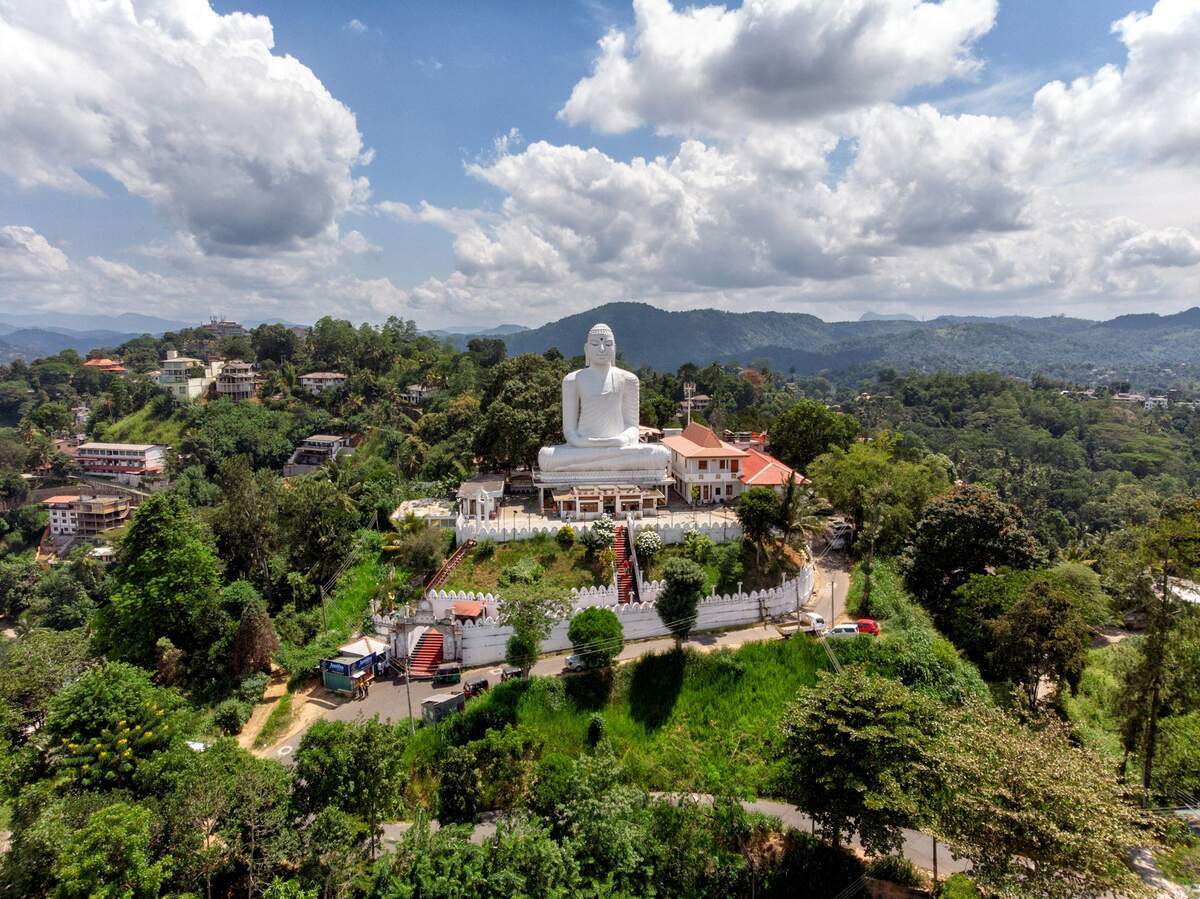
Buddhism arrived in Sri Lanka more than two thousand years ago and remains central to daily life. The island is dotted with ancient temples, white stupas, cave monasteries and meditation centres. Every full moon, called Poya, is a public holiday when many people visit temples, dress in white and spend time in reflection.
Being surrounded by this living tradition subtly changes the atmosphere of practice. Meditation is not an exotic hobby here; it is woven into the culture. Many yoga students find it inspiring to see the inner practices they are studying lived out so naturally by the people around them.
Sri Lanka’s yoga scene is growing, but it has not become commercial. Schools tend to be smaller and more personal, focused on the traditional foundations of yoga rather than trends. That means more attention to breath, alignment, meditation and philosophy, and more time for individual guidance.
For students, this creates an environment where yoga feels like a way of living, not just a class. Practice flows naturally into meals, conversations, walks on the beach and quiet evenings.
Alongside its natural energy, Sri Lanka offers internationally recognised training. Yoga Alliance registered schools on the island, including Ekant Yoga, offer 100, 200 and 300 hour courses taught by experienced teachers. After a registered 200 hour course you can register as an RYT 200 and teach around the world.
To compare schools and courses, read our complete guide to the best yoga teacher training in Sri Lanka.
Yoga recommends sattvic food: fresh, light and full of natural energy. Sri Lanka makes this effortless. Its markets overflow with tropical fruit, vegetables, greens, coconuts and spices, much of it grown locally.
Eating this way, with regular meal times and no heavy or processed food, leaves you feeling light and clear for practice.
Sri Lanka is warm throughout the year. Warm muscles tend to feel looser, which can make practice more comfortable, and gentle sweating is part of how the body regulates itself in the heat. Many students also find that breathing feels easier in clean, humid sea air than in dry, air-conditioned rooms.
The climate does ask for some care: drink plenty of water, practise in the cooler hours of early morning and late afternoon, and do not mistake warm muscles for unlimited flexibility. For the best months to visit, see the best time to visit Sri Lanka for yoga teacher training.
Perhaps the most powerful energy in Sri Lanka is its pace. Life outside the cities moves slowly. People take time to talk, meals are shared, and nobody seems in a hurry. For visitors used to rushing, this can feel strange at first, then deeply restful.
When the outer world slows down, the inner world follows. The mind stops racing, the breath deepens and practice becomes less about achieving and more about being. This is the quality students describe when they say yoga simply felt easier here.
For more ways to experience the island mindfully, read how Sri Lanka combines nature, culture and yoga and why Sri Lanka is perfect for mindful travel.
If you have a week before or after your course, here is a simple way to experience Sri Lanka’s natural energy through practice:
Days 1–3
Sunrise yoga on the beach, swimming, slow meals and sunset meditation to the sound of the waves.
Days 4–5
Take the train into tea country. Practise on a veranda in the cool morning air and walk through the estates.
Days 6–7
Visit the Temple of the Tooth, sit by the lake and walk in the botanical gardens before heading home.
For more ideas, see things to do after yoga teacher training in Sri Lanka.
Our Yoga Alliance certified courses in Sri Lanka bring together traditional teaching, experienced teachers, daily meditation, fresh vegetarian food and a peaceful setting close to the sea. Hatha and Vinyasa form the core of the training, with Yin or Ashtanga depending on the teachers available for each batch.
Choose the 23-day 200 hour course, the 11-day 100 hour course or, if you are already certified, the 28-day 300 hour advanced course.
Sri Lanka’s natural energy comes from many sources: the sea and the forest, the temples and the food, the warm air and the unhurried rhythm of life. Together they create a place where yoga does not have to be forced. It simply unfolds. If you are looking for somewhere to deepen your practice, the island may be calling.
Contact us to enquire for upcoming dates.
Its combination of ocean, forest and hills, a living meditative culture, fresh food and a slow pace of life makes it easier to relax and turn inward.
In yoga, prana is the vital life energy that flows with the breath and is found in fresh air, sunlight, water and living food.
Yes. It offers recognised courses, experienced teachers and a peaceful setting ideal for focused learning.
Very much so. Rice and curry, fresh fruit, coconut and herbal drinks make vegetarian, sattvic eating easy.
It takes a few days to adjust. Practise early and late in the day, drink plenty of water and rest in the shade.
For the south coast, December to April is usually best. The east coast is best from May to September.