
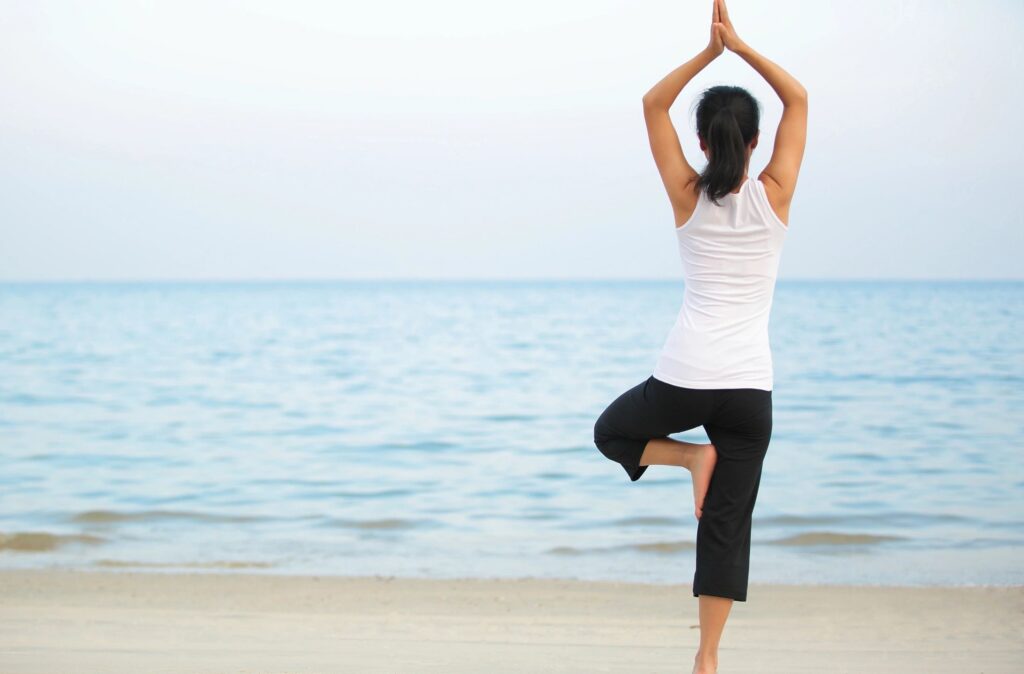
Sri Lanka is a beautiful island destination that offers much more than beaches and sightseeing. For yoga students, it can be an inspiring place to learn, practice, travel, and reconnect with nature. The island combines tropical beaches, green mountains, ancient cultural sites, meditation traditions, local cuisine, and a relaxed lifestyle that can complement a yoga journey.
Whether you are planning to join a Yoga Teacher Training Course in Sri Lanka, attend a yoga retreat, or simply want to explore the country while maintaining your yoga practice, a little preparation can make your experience more comfortable and meaningful.
This Sri Lanka travel guide for yoga students covers the places worth visiting, practical travel considerations, cultural experiences, food, wellness activities, and ideas for travelling before or after yoga training.
Why Sri Lanka Is a Great Destination for Yoga Students
Sri Lanka offers a diverse environment within a relatively compact island. You can spend time beside the ocean, travel into the mountains, explore ancient cities, walk through tea plantations, or visit quiet natural areas.
For yoga students, this variety provides opportunities to take the principles of yoga beyond the studio.
A yoga journey can include more than asana practice. Meditation during a quiet morning, mindful walking through nature, observing the breath beside the ocean, eating fresh local food, and taking time away from a busy routine can all become part of a mindful travel experience.
Sri Lanka is also home to a long-established spiritual and cultural heritage. Visitors can encounter Buddhist temples, meditation traditions, traditional wellness practices, and communities where simple living remains an important part of daily life.
This combination makes the country particularly interesting for people who want their travel experience to include wellness, personal reflection, and cultural exploration.
Planning Your Trip to Sri Lanka
Before travelling, check the current entry, visa, health, insurance, and travel requirements that apply to your nationality. Requirements can change, so it is best to use official sources before making final arrangements.
It is also useful to plan your trip around the region you want to visit. Sri Lanka has different weather patterns across its coastlines, so the best time to visit one area may not be the same as another.
If you are coming specifically for yoga teacher training, plan to arrive with enough time to settle in before the course begins. Avoid scheduling a long journey immediately before your first training day if possible.
Allowing a day or two to rest, adjust to the climate, and become familiar with your surroundings can make the beginning of your training more comfortable.
Best Places in Sri Lanka for Yoga Students
Sri Lanka offers many destinations, but the right location depends on what you want from your journey.
The southern and western coastal areas are popular for beaches, yoga, surfing, wellness, and relaxation. The central hills provide cooler temperatures, green landscapes, tea plantations, and opportunities for hiking. Cultural destinations offer historical and spiritual experiences, while national parks provide opportunities to observe Sri Lanka’s wildlife and natural environment.
Here are some destinations worth considering.
Weligama
Weligama is a popular destination on Sri Lanka’s southern coast and can be an excellent choice for yoga students who enjoy combining practice with a relaxed beach lifestyle.
The area is known for its broad bay, surfing culture, restaurants, cafés, and access to other southern coastal destinations.
Yoga students can use their free time for beach walks, gentle personal practice, surfing, or simply resting.
If you are attending yoga training nearby, Weligama can also be useful as a starting point for exploring the southern coast.
Mirissa
Mirissa is another attractive coastal destination for travellers looking for a relaxed atmosphere.
Its beach, palm trees, and ocean environment make it suitable for quiet mornings and evening walks.
A simple practice of sitting near the sea, observing the breath, and allowing the mind to settle can become a meaningful part of a yoga journey.
Mirissa is also well positioned for exploring other parts of the southern coastline.
Ahangama
Ahangama has become increasingly popular with travellers interested in yoga, surfing, food, and wellness.
The area combines coastal scenery with a growing collection of cafés, restaurants, accommodation options, and wellness-oriented experiences.
For yoga students, it can be a good place to spend additional time before or after training while maintaining a relaxed daily routine.
Unawatuna
Unawatuna is another well-known southern coastal destination. Its beach and surrounding area provide opportunities for swimming, relaxing, walking, and exploring.
Students who want to combine their yoga journey with traditional sightseeing can use Unawatuna as a base for visiting nearby cultural and coastal attractions.
Ella
If you want to experience Sri Lanka’s mountains, Ella should be on your travel list.
Located in the hill country, Ella is surrounded by green mountains, tea plantations, waterfalls, and hiking routes.
The environment is very different from the southern beaches. The cooler climate and mountain scenery can provide a welcome change after time spent on the coast.
Popular experiences around Ella include visiting Nine Arches Bridge, hiking to viewpoints, exploring tea plantations, and spending quiet time in nature.
For yoga students, mountain walks can also become a mindful activity. Instead of rushing to complete a trail, you can pay attention to your breathing, footsteps, surroundings, and sensations.
Kandy
Kandy is one of Sri Lanka’s most important cultural destinations.
The city is surrounded by hills and is home to significant cultural and religious sites, including the Temple of the Sacred Tooth Relic.
Visitors should approach religious locations respectfully and follow local rules regarding clothing, photography, footwear, and behaviour.
Kandy is also a useful destination for students who want to learn more about Sri Lankan history and culture while travelling.
Sigiriya
Sigiriya is famous for its ancient rock fortress and surrounding landscapes.
Climbing the rock requires physical effort, so it can be an enjoyable activity for students who want to combine sightseeing with movement.
The wider area also offers opportunities to explore villages, nature, and local food.
Sigiriya is especially suitable for travellers who want to add historical and cultural experiences to their wellness journey.
Dambulla
Dambulla is known for its cave temple complex and cultural significance.
The site contains historic Buddhist art and is an important place to visit respectfully.
A visit to Dambulla can complement a yoga journey by providing an opportunity to learn about the spiritual and cultural traditions that have influenced life in Sri Lanka.
Anuradhapura
Anuradhapura is an ancient city with significant historical and religious importance.
The area contains numerous archaeological and sacred sites and provides a different experience from the country’s beach destinations.
Students interested in meditation, history, culture, and spirituality may find Anuradhapura particularly meaningful.
Sri Lanka’s Beaches and Yoga Practice
One of the simplest ways to bring mindfulness into your Sri Lanka journey is to spend time near the ocean.
The sound of waves can create a peaceful background for meditation, while walking along the beach can become a simple mindfulness practice.
If you practise yoga independently outdoors, choose a safe location and be aware of the surface, weather, tides, and other people around you.
A sunrise practice can be especially enjoyable because the temperature is generally more comfortable and the surroundings can be quieter.
You do not need to perform a complicated sequence. Gentle stretching, pranayama, meditation, and a few familiar asanas can be enough to maintain your practice while travelling.
Exploring Sri Lanka Through Nature
Sri Lanka’s natural environment is one of its greatest attractions.
The country has beaches, forests, mountains, wetlands, waterfalls, tea-growing regions, and wildlife habitats.
Yoga students can make nature part of their travel experience rather than treating it only as a sightseeing opportunity.
Try taking a slow walk without constantly checking your phone. Notice the sounds around you, the movement of the trees, the temperature of the air, and your breathing.
This simple approach can turn an ordinary walk into a mindful experience.
Wildlife Experiences
Sri Lanka is known for its biodiversity and wildlife.
National parks and protected areas provide opportunities to observe animals in their natural environments.
Depending on the destination, visitors may encounter elephants, monkeys, birds, reptiles, and other wildlife.
When visiting wildlife areas, follow the instructions of guides and park authorities. Keep a respectful distance from animals and avoid actions that disturb them.
Responsible travel is an important part of a mindful journey.
Sri Lankan Food for Yoga Students
Food is an important part of experiencing Sri Lanka.
Traditional Sri Lankan cuisine commonly includes rice, vegetables, coconut, herbs, spices, lentils, and a variety of curries.
Many meals can be adapted to vegetarian preferences, and travellers can find a wide range of fresh fruits and vegetables.
If you are attending yoga teacher training, your school may have a specific meal plan. Follow the guidance provided by your training centre regarding meals, hydration, and dietary requirements.
When eating outside the course, try local dishes while paying attention to how your body responds to unfamiliar foods and spices.
Staying hydrated is also important, particularly when practising yoga or travelling in Sri Lanka’s warm and humid coastal regions.
Ayurveda and Wellness Experiences
Sri Lanka has a long association with Ayurveda and traditional wellness practices.
Travelers can find Ayurvedic treatments and wellness experiences in different parts of the country.
Depending on the provider, experiences may include traditional massage, herbal treatments, and lifestyle-oriented consultations.
If you want an Ayurvedic treatment, choose a reputable provider and communicate any relevant preferences or concerns before beginning a treatment.
Yoga students may enjoy combining yoga practice with appropriate wellness experiences during free time, particularly after an intensive period of training.
Experiencing Sri Lankan Culture
A yoga journey does not have to be limited to yoga-related activities.
Learning about the local culture can make your trip more meaningful.
Visit cultural sites, try traditional food, observe local customs, and speak respectfully with people you meet.
When visiting temples, dress appropriately and follow posted instructions. In many religious places, visitors are expected to remove shoes and hats and behave quietly.
Photography may also be restricted in certain areas.
Being respectful is not only good travel etiquette; it is an important part of mindful travel.
What to Pack for a Yoga Trip to Sri Lanka
Your packing list will depend on the season, region, and length of your stay, but yoga students will generally benefit from bringing comfortable clothing suitable for practice and travel.
Useful items include:
- Comfortable yoga clothes
- Lightweight everyday clothing
- A light layer for cooler hill-country destinations
- Comfortable walking shoes
- Sandals or flip-flops
- Sun protection
- Reusable water bottle
- Personal toiletries
- Travel documents
- Necessary medications
- Small day bag
- Journal or notebook
If you are attending teacher training, check with your yoga school before travelling because the school may provide or recommend specific items.
What to Wear in Sri Lanka
Light, breathable clothing is generally comfortable in warm areas.
However, clothing requirements change when visiting temples and other religious sites.
Yoga students should carry clothing that covers the shoulders and knees when needed. Wearing respectful clothing also makes travelling through cultural areas more comfortable.
For yoga practice, choose clothing that allows free movement without being overly restrictive.
Travelling During Yoga Teacher Training
If you are in Sri Lanka specifically for yoga teacher training, avoid trying to turn every free moment into a sightseeing trip.
Teacher training can involve several hours of physical practice, study, philosophy, anatomy, meditation, and teaching preparation.
Rest is therefore an important part of the experience.
Use your free time intelligently. A short beach walk, quiet reading session, gentle stretching, or meditation may be more beneficial than a long excursion when you are tired.
Save longer trips for before or after the course whenever possible.
Things to Do After Yoga Teacher Training
Completing yoga teacher training can be an important personal milestone.
After finishing your course, consider giving yourself time to process what you have learned before immediately returning to a busy routine.
You could spend several days travelling through Sri Lanka, relaxing on the coast, exploring the mountains, visiting cultural sites, or simply maintaining your personal practice.
A post-training trip can also help you reflect on how you want to use what you learned.
Keep a journal and write down the ideas, practices, and lessons that were most meaningful to you.
Creating a Mindful Travel Routine
You do not need a complicated routine to continue yoga while travelling.
A simple daily routine could include:
Morning:
- Five to ten minutes of quiet breathing
- Gentle movement
- Short meditation
During the day:
- Mindful walking
- Healthy meals
- Time in nature
- Reduced screen time
Evening:
- Gentle stretching
- Reflection
- Journaling
- Early rest
The purpose is not to create another demanding schedule. The goal is to maintain awareness while enjoying your travels.
How Long Should You Stay in Sri Lanka?
The ideal length of your trip depends on your training schedule and travel interests.
If you are visiting only for yoga teacher training, you may want to add several days before or after the course to experience the destination.
If you have more time, you can combine the southern coast with the hill country and cultural destinations.
Avoid planning too many destinations into a short trip. Sri Lanka may look small on a map, but travel between regions can take longer than expected because of road conditions and traffic.
A slower itinerary can often be more enjoyable than trying to see everything.
Responsible Travel in Sri Lanka
Mindful travel also means considering the effect your trip has on the local environment and communities.
Simple actions can make a difference:
- Reduce unnecessary plastic use
- Carry a reusable bottle
- Avoid littering
- Respect wildlife
- Support local businesses
- Follow cultural guidelines
- Avoid disturbing religious sites
- Use water responsibly
When purchasing souvenirs, consider locally made products and support small businesses where possible.
Why Travel Can Become Part of Your Yoga Journey
Yoga is not limited to the time spent on a mat.
The principles you explore through yoga can influence how you travel, eat, communicate, rest, and interact with your surroundings.
Sri Lanka offers countless opportunities to practice awareness in everyday situations.
You can observe your breath while sitting beside the ocean, practice patience during a long journey, appreciate a simple meal, listen carefully to a local story, or walk through nature without distraction.
These experiences can help bring yoga into daily life.
Planning a Yoga Journey With Ekant Yoga
If your main reason for visiting Sri Lanka is yoga teacher training, choosing the right school and course is an important part of your planning.
Ekant Yoga offers Yoga Teacher Training programs in Sri Lanka for students who want to deepen their understanding of yoga and develop their personal practice.
A teacher training journey can include asana practice, pranayama, meditation, anatomy, yoga philosophy, teaching methodology, and other aspects of yoga education depending on the selected program.
Students can also use their time in Sri Lanka to experience the country’s nature and culture outside their training schedule.
Before booking, review the course structure, accommodation, inclusions, dates, requirements, and payment conditions carefully so you know what to expect.
Final Thoughts
Sri Lanka offers yoga students an opportunity to combine education, travel, nature, culture, and personal practice in one journey.
From the beaches of the southern coast to the mountains around Ella and the ancient cultural sites of the interior, the island provides a wide variety of experiences.
The key is to travel at a comfortable pace.
Give yourself time to practice yoga, rest, explore, and simply experience where you are. You do not need to visit every attraction or fill every day with activities.
For students attending yoga teacher training, Sri Lanka can become much more than the location of a course. The journey can continue outside the classroom through mindful travel, cultural learning, time in nature, and everyday awareness.
Whether you are beginning your yoga journey or taking the next step toward becoming a teacher, Sri Lanka provides a beautiful environment in which to learn, practise, explore, and grow.
